Petra Jordan Travel Guide: Rose City Essentials
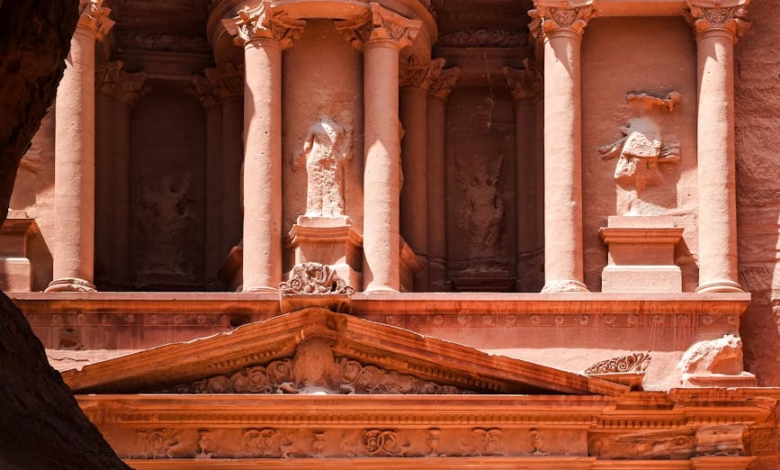
Petra is one of the world’s most remarkable travel destinations, drawing visitors with its dramatic canyons, monumental tombs, and the iconic Petra Jordan treasury facade carved into glowing red rock. Often called the Rose City for the color of its cliffs, Petra blends natural beauty with extraordinary history in a way few places can match. This Petra Jordan travel guide covers everything you need to know to plan a smooth, rewarding trip—from when to go and how to enter the site to what to see, what to wear, and how to make the most of your time in this unforgettable archaeological site.
Why Petra Belongs on Every Jordan Itinerary
Petra is not just a famous landmark; it is the heart of Jordan’s cultural identity and one of the most impressive ancient cities ever built. The Nabataeans carved palaces, tombs, temples, and stairways directly into the cliffs, creating a city that feels both hidden and monumental.
What makes Petra so compelling is the combination of scale and atmosphere. You do not simply “visit” Petra. You walk through a winding sandstone gorge, step into open valleys scattered with ruins, and gradually realize how vast the city once was. The experience is part archaeology, part hiking, and part time travel.
Travelers often arrive expecting to spend an hour or two at the Treasury, but the site reveals much more: vast tomb facades, a theater, temples, high viewpoints, and trails that open onto sweeping desert panoramas. For anyone interested in history, photography, or unique landscapes, Petra is a bucket-list destination worth planning properly.
For official visitor information, it is worth checking the official Jordan tourism website before you go.
Best Time to Visit Petra
Timing matters a lot when visiting Petra, especially if you want comfortable temperatures and better light for photos.
Spring and autumn are ideal
The best months are generally March to May and September to November. During these periods, temperatures are milder, which makes walking the long distances inside the site much easier. Spring often brings clear skies and fresh desert colors, while autumn usually offers stable weather and excellent visibility.
Summer can be extremely hot
From June through August, temperatures can rise sharply, particularly in the afternoon. If you visit in summer, start early, stay hydrated, and plan to rest during the hottest part of the day. The site is still open, but the heat can make the experience tiring.
Winter has fewer crowds but cooler conditions
December through February can be quiet and pleasant, though mornings and evenings may be chilly. Rain is also more likely, and muddy conditions can affect trails. If you go in winter, bring layers and check the forecast before heading out.
How to Get to Petra
Petra is located near the town of Wadi Musa in southern Jordan. Most visitors arrive by road from Amman, Aqaba, or Wadi Rum.
From Amman
The drive from Amman to Petra usually takes around 3 hours, depending on traffic and road conditions. Many travelers choose a private driver, rental car, or organized tour. Buses are also available, but schedules can be less flexible.
From Aqaba
If you are coming from Aqaba or combining Petra with the Red Sea, the journey is shorter, often around 2 hours. This route works well for travelers who want to mix history with beach time.
From Wadi Rum
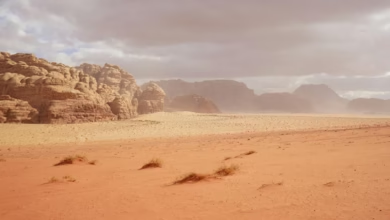
Petra is commonly paired with Wadi Rum desert landscapes in a Jordan itinerary. The drive between the two is manageable and makes for a classic desert circuit. Many tour operators offer combined packages.
Getting around the site
Once inside the archaeological site, walking is the main mode of transport. Horses, donkey carts, camels, and horse-drawn carriages may be available in some areas, but it is wise to consider animal welfare, pricing, and safety before using them. For most visitors, walking is the best way to enjoy the scenery and the history.
Petra Entrance, Tickets, and Practical Logistics
Before you visit, it helps to understand the basics of entry and timing.
Ticket options
Petra tickets are typically sold as single-day, two-day, or three-day passes. If you can, choose at least two days. The site is large, and a rushed visit often means missing key areas beyond the Treasury.
Jordan Pass advantage
Many travelers find the Jordan Pass especially useful because it bundles Petra entry with a visa waiver for eligible visitors and includes access to several other attractions in Jordan. It can save time and money if you plan to see more than just Petra.
Opening hours
Hours change by season, so check the official schedule before arrival. Early morning entry is strongly recommended for cooler temperatures, fewer crowds, and better photos.
What to bring
Bring the following essentials:
- Comfortable walking shoes with grip
- A refillable water bottle
- Sun protection: hat, sunglasses, sunscreen
- Light layers for temperature shifts
- Snacks if you plan to stay for a full day
- Cash for small purchases, tips, or local services
Top Things to See in Petra
Petra contains far more than its most famous monument. To appreciate it properly, think of the site as a long historical landscape rather than a single photo stop.
The Siq
The Siq is the narrow gorge that serves as Petra’s dramatic entrance. Its towering walls, shifting colors, and carved water channels make it one of the most memorable approaches to any ancient city. The walk through the Siq creates a sense of anticipation that builds until the Treasury suddenly appears.
The Treasury
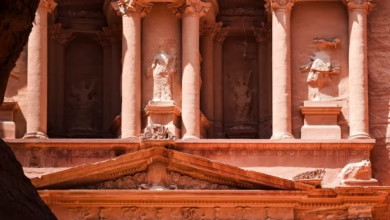
The Petra Jordan treasury facade is the image most travelers associate with Petra, and for good reason. Its precise carvings, symmetry, and pink-gold stone catch the light beautifully, especially in the morning. Although the exterior is the main highlight, the area around it is also worth lingering in, because the setting adds to the monument’s impact.
The Street of Facades
Beyond the Treasury lies a long stretch of tomb fronts and carved chamber entrances known as the Street of Facades. This area gives a better sense of Petra’s scale and the Nabataeans’ architectural ambition.
The Royal Tombs
The Royal Tombs are a group of grand facades carved into the cliff face. Their names—such as the Urn Tomb, Silk Tomb, and Corinthian Tomb—reflect later interpretations, but all are impressive in size and detail. This is one of the best places to see the rich textures of Petra’s ancient sandstone ruins.
The Theater
Petra’s theater, carved into the rock, could seat thousands. It offers a striking example of how the Nabataeans adapted classical forms to their landscape.
The Monastery
The Monastery is one of Petra’s most rewarding sights and requires a more strenuous climb. The steps are numerous, but the payoff is a huge rock-cut monument and a quieter atmosphere than the Treasury area. Many travelers consider it a highlight of the entire trip.
High Place of Sacrifice
For those who enjoy hiking and panoramic views, the High Place of Sacrifice offers one of Petra’s best outlooks. The route is steep in parts, but the scenery makes it worthwhile.
Best Viewpoints and Photography Tips
Petra is exceptionally photogenic, but the best images often require more than a quick phone snap.
Best lighting
Early morning is ideal for the Treasury and the Siq because the light is softer and the site is less crowded. Late afternoon can also be beautiful in some areas, especially where the cliffs turn deep orange.
Classic viewpoints
A popular view looks down on the Treasury from above, though reaching it may involve a guided route or a local guide. The view is famous for a reason, but be prepared for steep terrain and possible fees if you choose a local path.
How to capture the rose city landscape
To photograph the rose city landscape, use wide shots that include the cliffs, pathways, and people for scale. The beauty of Petra is not only in the monuments but in how they emerge from the rock. Avoid focusing only on close-ups; the surrounding terrain gives the images context and drama.
Photography etiquette
Be respectful when photographing local people, especially Bedouin vendors or guides. Ask before taking portraits, and avoid blocking narrow paths or entrance areas.
Where to Stay Near Petra
Most visitors stay in Wadi Musa, the town directly outside the site entrance.
Budget stays
Budget guesthouses and hostels are available and often provide simple rooms, breakfast, and helpful local advice. These are good for travelers who plan to spend most of their day inside Petra.
Mid-range hotels
Mid-range hotels usually offer the best balance of comfort and value. Look for properties with shuttle service, early breakfast, and easy access to the visitor center.
Luxury options
A few upscale hotels in the area provide better amenities, larger rooms, and impressive views of the surrounding hills. If you want to relax after a full day of walking, this can be worth the extra cost.
Booking tip
Choose accommodation within a short drive or walk from the entrance. Starting early is much easier when you do not need to manage a long commute in the morning.
Where to Eat and What to Try
Food in and around Petra is straightforward, satisfying, and often based on classic Jordanian flavors.
Local dishes to look for
Try dishes such as:
- Mansaf, Jordan’s national dish
- Hummus and fresh bread
- Falafel and shawarma
- Mezze plates with salads and dips
- Grilled meats and rice dishes
Dining inside the site
There are food stalls and rest areas inside Petra, but choices are limited. It is smart to carry snacks and water, especially if you plan to stay for most of the day.
Dining in Wadi Musa
Wadi Musa has a wider selection of restaurants, cafes, and bakeries. Many visitors enjoy having a relaxed dinner there after a full day exploring the ruins.
Cultural Etiquette and Responsible Travel
A visit to Petra is also a chance to engage respectfully with local culture and help preserve the site.
Dress modestly
Jordan is generally welcoming and tourist-friendly, but modest clothing is appreciated, especially in smaller towns and around local communities. Lightweight clothing that covers shoulders and knees is a practical choice.
Respect vendors and guides
Many local people rely on tourism. If you are not interested in a service, decline politely and clearly. Negotiating prices is common, but do so respectfully.
Protect the site
Do not climb on fragile structures, remove stones, or leave trash behind. Petra’s ancient sandstone ruins are vulnerable to erosion and human damage, and responsible behavior helps preserve them.
Use local guides wisely
Hiring a licensed guide can greatly improve your understanding of the site’s history and layout. A good guide can also help you navigate trails and avoid wasting time.
Suggested One-Day and Two-Day Petra Itineraries
Your schedule will determine how much of Petra you can see.
One-day itinerary
If you only have one day, arrive early and prioritize:
- Walk through the Siq
- Visit the Treasury
- Continue to the Street of Facades
- Explore the Royal Tombs
- Decide whether to hike to the Monastery or focus on lower sites
A one-day visit is possible, but it will feel full and energetic.
Two-day itinerary
A two-day plan is much more enjoyable:
Day 1: Treasury, main trail, Royal Tombs, theater, and lower city areas
Day 2: Monastery, High Place of Sacrifice, or a quieter trail depending on your fitness level
This slower approach gives you time to absorb the atmosphere rather than rushing through the highlights.
FAQ About Visiting Petra
Is Petra worth visiting?
Yes. Petra is one of the most unique historical sites in the world, combining archaeology, natural scenery, and dramatic architecture in a single destination.
How long do you need in Petra?
At least one full day is recommended, but two days is better if you want to see the main attractions without rushing.
Is Petra difficult to walk?
Some areas are easy, while others involve steep climbs and long distances. Comfortable shoes and a moderate fitness level help a lot.
Can you visit Petra without a guide?
Yes, many travelers explore independently. However, a guide can provide valuable historical context and improve navigation.
What is the best time to see the Treasury?
Early morning is usually the best time for cooler temperatures, fewer people, and softer light.
Is it safe to travel to Petra?
Petra is generally considered safe for tourists, especially when using standard travel precautions and staying aware of your surroundings.
Conclusion
Petra rewards careful planning with an experience that feels both epic and intimate. From the narrow Siq to the unforgettable Petra Jordan treasury facade, the site offers layers of history, scenery, and adventure that unfold slowly as you walk. Give yourself enough time, wear the right gear, and explore beyond the most famous viewpoints so you can fully appreciate the scale of this extraordinary archaeological site. Whether you visit for one day or several, Petra will leave you with one of the strongest travel memories in Jordan.