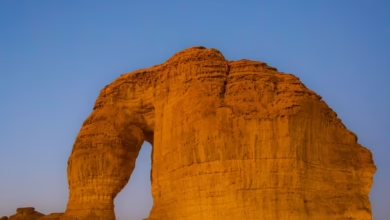
Wadi Rum Desert Landscape: Jordan Travel Guide
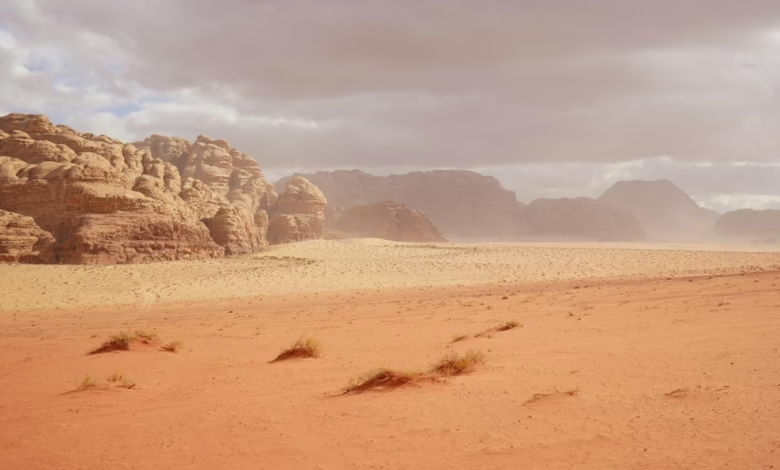
The Wadi Rum desert landscape is one of the most unforgettable places in the Middle East. Often called the Valley of the Moon, this vast wilderness in southern Jordan feels almost otherworldly. Towering cliffs, sculpted rock arches, and endless dunes create a scene that looks more like a film set than a real destination.
For travelers seeking both beauty and adventure, Wadi Rum delivers on every level. The Jordan sandstone mountains rise dramatically from the desert floor, their warm red and orange tones glowing at sunrise and sunset. Below them, a red sand valley stretches into the distance, inviting exploration by jeep, camel, or on foot. For more travel inspiration, visit Voyzar.
Why Wadi Rum Feels So Special
Wadi Rum is not just a desert; it is a living landscape shaped by wind, time, and history. The sandstone and granite formations have been carved into natural sculptures over millions of years. Their colors change throughout the day, shifting from pale gold in the morning to deep crimson in the evening.
This dramatic scenery makes the area ideal for travelers looking for a true desert adventure. It is peaceful, but never dull. Every turn reveals a new canyon, ridge, or narrow passage between cliffs.
A Landscape of Scale and Silence
One of the most striking things about Wadi Rum is its scale. The open spaces are enormous, and the silence can feel almost complete. That quiet adds to the sense of wonder. With no city noise and very few signs of modern life, you can fully absorb the desert’s raw beauty.
The experience is immersive in a way few destinations can match. The landscape invites reflection, photography, and slow travel.
Exploring the Jordan Sandstone Mountains
The Jordan sandstone mountains are the heart of Wadi Rum’s scenery. These towering formations are a dream for climbers, hikers, and anyone who loves dramatic geology. Their vertical walls and wind-carved shapes create endless opportunities for exploration.
Many visitors choose guided tours to see the most famous viewpoints and natural landmarks. Local Bedouin guides know the terrain well and can lead you to hidden canyons, petroglyphs, and panoramic ridges.
Best Ways to Explore
There are several ways to enjoy the mountains and desert floor:
- Jeep tours for covering large distances and reaching remote spots
- Camel rides for a slower, more traditional desert experience
- Hiking for travelers who want to connect more deeply with the landscape
- Rock climbing for adventurous visitors looking for a physical challenge
Each option offers a different perspective on the Wadi Rum desert landscape. Whether you want excitement or quiet discovery, the area has something to offer.
The Magic of the Red Sand Valley
At the base of the cliffs lies the unforgettable red sand valley, one of the most iconic features of Wadi Rum. Its soft, rust-colored dunes contrast beautifully with the dark stone of the mountains. The effect is both dramatic and calming.
Walking across the sand is an experience in itself. The dunes shift subtly underfoot, and every breeze reshapes their surface. Footprints quickly fade, reminding visitors how temporary human presence is in this ancient place.
This part of the desert is also a favorite for photographers. The combination of red sand, clear skies, and rugged peaks creates images that feel almost surreal.
Adventure and Culture in One Destination
Wadi Rum is more than a scenic stop. It is also home to a rich Bedouin culture that adds depth to the experience. Many local families still live in and around the desert, sharing traditions that have been passed down for generations.
Visitors often learn about desert survival, tea-making, and the rhythms of Bedouin life. These cultural encounters make the journey feel personal and meaningful. For background on the area’s cultural and natural importance, see UNESCO’s Wadi Rum Protected Area overview.
What Makes the Experience Memorable
A trip to Wadi Rum often includes:
- Sunset views from a high dune or cliff
- Traditional meals prepared in the desert
- Stargazing under exceptionally clear night skies
- Stories from local guides about the land and its history
- Overnight stays in desert camps with mountain views
These moments turn a simple visit into a memorable desert adventure.
When to Visit Wadi Rum
The best time to explore Wadi Rum is during the cooler months, especially from October to April. During this period, daytime temperatures are comfortable, making hiking and jeep tours more enjoyable.
Early morning and late afternoon are the most beautiful times of day. The light is softer, the heat is less intense, and the sandstone glows with rich color. If you stay overnight, the night sky is equally impressive. With little light pollution, the stars shine brightly overhead.
Final Thoughts
The Wadi Rum desert landscape offers a rare mix of grandeur, peace, and adventure. From the striking Jordan sandstone mountains to the vast red sand valley, every part of the region feels remarkable. It is a place where nature dominates, time slows down, and every view leaves a lasting impression.
For travelers searching for something unforgettable, Wadi Rum is more than a destination. It is a journey into one of the world’s most beautiful deserts, where every moment becomes part of the adventure.