Luxor Egypt Temples Travel Guide to Ancient Ruins
Luxor is one of the most rewarding destinations in Egypt for travelers who love history, architecture, and atmospheric ruins. Often called the world’s greatest open-air museum, it brings together monumental temples, river views, and layers of ancient civilization in one unforgettable place. This Luxor Ancient Temples Travel Guide will help you explore the city’s most iconic sites, from towering pylons to carved stone halls filled with stories from pharaohs long past.
Why Luxor Belongs on Every Egypt Itinerary
Few places can match the scale and significance of Luxor. Built on the site of ancient Thebes, the city is home to some of the most important Luxor Egypt temples and monuments in the world. The East Bank offers grand temples tied to religious life and royal power, while the West Bank reveals tombs and funerary complexes that speak to beliefs about the afterlife.
What makes Luxor especially captivating is the setting. The temples rise from a living Nile heritage landscape, where modern feluccas still drift past ancient stone and palm-lined riverbanks. It is not just a place to see history; it is a place to feel it all around you. For a broader look at nearby highlights, see this guide to Egypt’s best historic sites.
Best Time to Visit Luxor
Luxor can be extremely hot, especially in summer. For the most comfortable experience, plan your trip between October and April, when temperatures are milder and sightseeing is easier.
Ideal conditions for temple visits
- Morning visits for cooler temperatures and softer light
- Late afternoon for golden-hour photos
- Winter months for the most pleasant walking conditions
If you visit in peak season, start early to avoid crowds and the midday heat.
Must-See Luxor Egypt Temples
Karnak Temple Complex
Karnak is the largest and most impressive of the Luxor Egypt temples. It is not a single temple but a vast religious complex built over centuries by many rulers. The sheer size of the site can be overwhelming in the best way.
Highlights include:
- The Great Hypostyle Hall with its forest of massive columns
- Sacred lakes and ceremonial avenues
- Giant statues and intricately carved walls
- Evidence of layers of construction from different dynasties
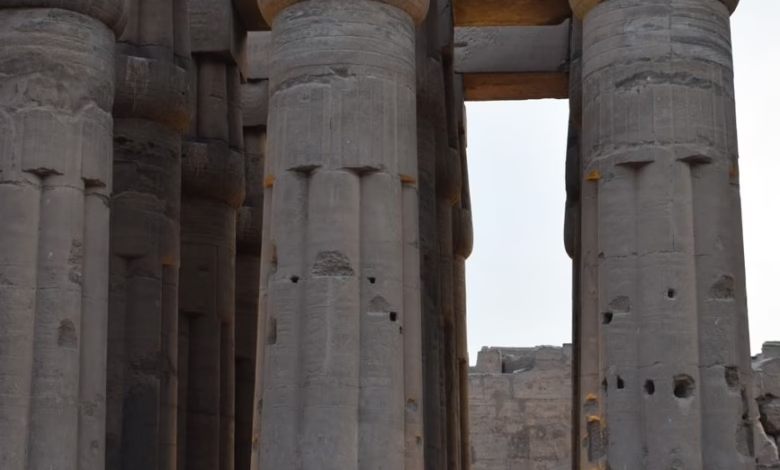
The archaeological columns at Karnak are a major reason to linger here. Their scale and detail reveal the ambition of ancient Egyptian builders, and standing among them gives a sense of just how powerful this sanctuary once was.
Luxor Temple
Located closer to the river, Luxor Temple is elegant, dramatic, and beautifully preserved. Unlike Karnak’s sprawling complexity, this temple feels more focused and ceremonial. At sunset and after dark, it becomes one of the most magical sights in the city thanks to its illuminated stonework.
Look for:
- The avenue of sphinxes linking the temple to Karnak
- The towering columns and statues at the entrance
- Reliefs that show the temple’s long history of use and restoration
Because it sits right in the city center, Luxor Temple is easy to visit more than once. A daytime visit shows the carvings in detail, while an evening visit offers a more atmospheric experience.
Exploring the West Bank
Across the Nile, the West Bank presents a different side of Luxor. Here you will find funerary temples, tombs, and hidden valleys carved into the desert hills. The mood is quieter and more reflective, with landscapes shaped by both archaeology and nature.
Temple of Hatshepsut
Set against dramatic cliffs, Hatshepsut’s temple is one of the most striking monuments in Egypt. Its terraces and colonnades create a clean, symmetrical design that stands out from other ancient sites. It is a powerful example of royal propaganda, honoring one of Egypt’s most remarkable female rulers.
Medinet Habu
Medinet Habu is often less crowded than the major headline sites, but it offers some of the richest carvings in Luxor. Its walls are covered with battle scenes, religious imagery, and deeply cut reliefs that have survived remarkably well. This is one of the best places to appreciate the artistry of ancient stone carving up close.
What to Look for at the Temples
A good temple visit is about more than ticking off famous landmarks. Take time to notice the details that make Luxor so rewarding.
Key features to watch for
- Archaeological columns with floral, papyrus, or lotus-inspired capitals
- Reliefs showing offerings, rituals, and kingship
- Massive gateways known as pylons
- Sacred spaces aligned with astronomical and religious beliefs
- Repeated restoration marks that reveal centuries of use
These details help bring the ruins to life. You begin to see how temples were not just buildings, but active centers of ceremony, power, and identity.
Practical Tips for a Better Visit
Luxor is easy to enjoy if you plan ahead and pace yourself. Distances between sites can be greater than they appear on a map, and the heat can be intense.
Helpful travel tips
- Hire a licensed guide for deeper historical context.
- Carry water, sunscreen, and a hat at all times.
- Wear comfortable shoes for uneven ground and long walks.
- Give yourself extra time at each site rather than rushing.
- Visit early or late for better light and fewer crowds.
If you are short on time, focus on one major site per half-day so you can absorb the atmosphere rather than simply moving from one stop to another.
Experiencing the Nile Heritage Landscape
One of the greatest pleasures of Luxor is its setting beside the Nile. The river gives the city a sense of continuity between past and present. As you move between temple precincts, ferry crossings, and riverside roads, you are constantly reminded that this was once the heart of an ancient civilization dependent on the same waters that shape life today.
The combination of temples, desert hills, farmland, and river creates a truly unique Nile heritage landscape. It is part of what makes Luxor more than a collection of ruins. It is a living historical environment where the ancient world still feels close. For historical background on the city itself, the Encyclopaedia Britannica overview of ancient Thebes is a useful reference.
Final Thoughts
Luxor is a destination that rewards curiosity, patience, and a love of history. From the monumental scale of Karnak to the graceful setting of Luxor Temple and the quiet majesty of the West Bank, the city offers an unmatched encounter with Egypt’s ancient past. Whether you come for the Luxor Egypt temples, the richly detailed archaeological columns, or the beauty of the Nile heritage landscape, you will leave with a deeper appreciation for one of the world’s most extraordinary archaeological landscapes.