Cairo Museum Exterior Guide: Egypt History and Artifacts
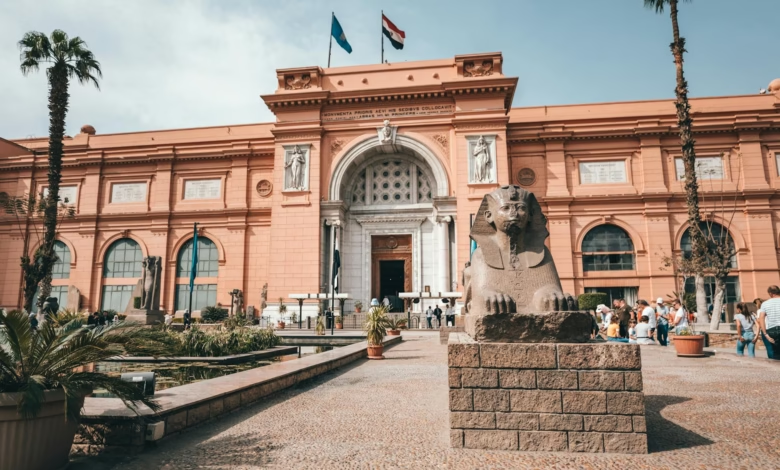
Cairo is a city where the past feels close enough to touch. From royal tombs to Islamic architecture, every street seems to hold a story. For travelers who want to go beyond the usual sights, a visit to Cairo’s museums and cultural landmarks is one of the best ways to understand the city’s layered identity.
This Cairo Museums and Culture Guide highlights the places that bring Egypt history to life, along with the art, architecture, and daily traditions that shape the city today. If you enjoy heritage-focused travel, you may also like Best Egypt Historic Sites for Your Ancient Journey.
Why Cairo’s Museums Matter
Cairo is not just a gateway to ancient Egypt. It is also a living capital where history has been collected, preserved, and reinterpreted for centuries. The city’s museums are more than storage spaces for treasures. They are cultural landmarks that help visitors see how dynasties, faiths, and empires have influenced Egypt over time.
Many travelers come looking for the famous ancient artifacts concept they have seen in books and films: gold masks, stone statues, mummies, and temple relics. Cairo delivers all of that, but it also offers something deeper. Its museums show how Egypt’s identity has continued to evolve from ancient times to the modern era.
The Egyptian Museum: A Classic Starting Point
The Egyptian Museum in Tahrir Square remains one of the most important stops for anyone interested in Egypt history. Even before entering, the building itself feels iconic. The familiar Cairo museum exterior has long been a symbol of the city’s museum culture, with its grand facade standing in contrast to the busy square outside.
Inside, the collection is vast. Visitors can see:
- Royal statues and temple objects
- Jewelry, tools, and household items from ancient Egypt
- Mummies and burial artifacts
- Treasures from the tomb of Tutankhamun
The museum can feel overwhelming at first, but that is part of the experience. It captures the scale of Egypt’s civilization and the richness of its archaeological record. Each gallery adds another layer to the story of ancient life, belief, and power.
The Grand Egyptian Museum: A Modern Vision
While the Egyptian Museum remains beloved, the Grand Egyptian Museum is the newest star in Cairo’s cultural landscape. Located near the Giza Plateau, it represents a more modern way of presenting the nation’s heritage.
The new space is designed to be immersive, open, and educational. It offers a fresh way to engage with the ancient artifacts concept, making objects feel less like distant relics and more like part of a continuing historical conversation.
For many visitors, the museum is a reminder that Cairo’s cultural life is not frozen in the past. It continues to grow, adapt, and reimagine how history should be shared. For current visitor information, see the official Grand Egyptian Museum site.
Other Cultural Landmarks Worth Visiting
Cairo’s museum scene extends far beyond its two most famous institutions. The city is full of smaller sites that reveal different parts of its story.
Museum of Islamic Art
This museum is essential for understanding the artistic and scholarly traditions of medieval and early modern Egypt. Its collection includes ceramics, manuscripts, textiles, metalwork, and decorative objects that reflect the beauty of Islamic craftsmanship.
Coptic Museum
Located in Old Cairo, the Coptic Museum explores Egypt’s Christian heritage. It offers a valuable perspective on the country’s religious diversity and cultural continuity.
Gayer-Anderson Museum
Set inside historic houses, this museum blends art, architecture, and domestic history. It gives visitors a sense of how elite life once looked in Cairo, with interior spaces that feel both intimate and refined.
Experiencing Culture Beyond the Museum Walls
Cairo’s heritage is not limited to display cases and galleries. To understand the city fully, it helps to step outside and experience its cultural rhythms.
Some of the best ways to do that include:
- Walking through historic districts like Islamic Cairo and Old Cairo
- Visiting traditional markets such as Khan el-Khalili
- Watching local artisans at work in workshops and bazaars
- Stopping at cafes where conversation and tea are part of the social fabric
- Exploring mosques, churches, and historic streets that reflect the city’s long memory
These experiences connect the museum collections to the living city. The same artistic traditions found in exhibits can often be seen in architecture, textiles, metalwork, and everyday design.
How to Make the Most of Your Visit
Cairo’s cultural sites are rewarding, but they can also be intense. The city is large, busy, and full of sensory detail. A little planning helps.
Keep these tips in mind:
- Start early to avoid the heaviest crowds and midday heat.
- Focus on a few museums rather than trying to see everything in one day.
- Hire a knowledgeable guide if you want deeper insight into collections and historical context.
- Wear comfortable shoes for walking between exhibits and neighborhoods.
- Leave time for nearby landmarks so the museum visit feels connected to the broader city.
A City Where History Feels Alive
Cairo’s museums are essential for anyone interested in the story of Egypt. They preserve the objects, ideas, and artistic traditions that shaped one of the world’s oldest civilizations. At the same time, they are part of a wider cultural landscape filled with markets, monuments, and everyday life.
From the classic Cairo museum exterior in Tahrir Square to new museum spaces near Giza, the city offers a remarkable journey through time. For travelers drawn to Egypt history, artistic heritage, and unforgettable cultural landmark experiences, Cairo remains one of the most inspiring cities in the world.