Marrakesh Souk Alley: Colors, Craft, and Charm
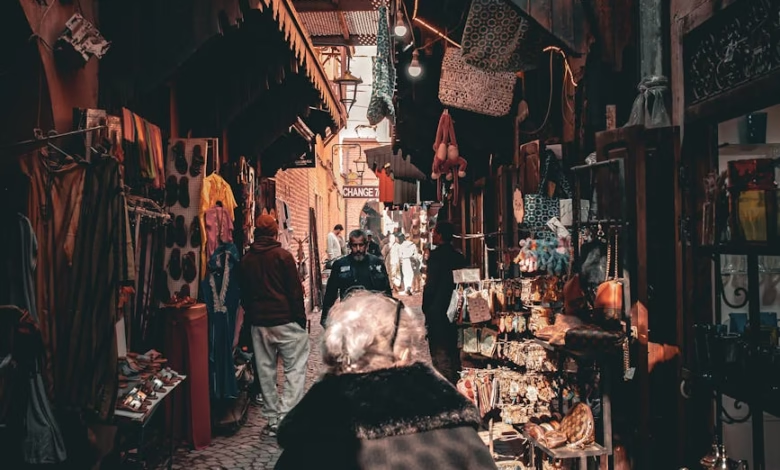
Marrakesh is a city that seems to awaken the senses the moment you enter its old quarters. In the heart of the medina, the Marrakesh souk alley winds through a maze of narrow passages, where every turn reveals a new pattern, scent, or sound. It is not just a market; it is a living reflection of Moroccan culture, shaped by centuries of trade, craftsmanship, and daily life.
Walking through the souks is one of the best ways to understand the city’s character. The streets are tight and bustling, but they are filled with energy and beauty. Bright fabrics spill from shopfronts, brass lamps glimmer overhead, and merchants call out from behind displays of spices, leather goods, and handwoven rugs. Everywhere you look, there is movement and color.
The Magic of the Marrakesh Souk Alley
The souk alleys in Marrakesh are a world of their own. Unlike wide modern shopping streets, these passageways curve and branch without much warning, creating a sense of discovery with every step. Some alleys are shaded and quiet, while others open into lively crossroads packed with people.
This layout is part of what makes the experience unforgettable. You are never simply walking from one shop to another. Instead, you are moving through a historic urban landscape where commerce and tradition still shape daily life. The Marrakesh souk alley invites you to slow down, look closely, and let the city guide you.
You may pass:
- Carpets hanging like colorful walls
- Leather slippers arranged in neat rows
- Metal lanterns reflecting warm light
- Spices piled into vivid mounds
- Textiles in deep reds, blues, golds, and greens
Each corner offers a different mood, but together they create a rich tapestry of sights and textures.
Morocco Market Colors Everywhere
One of the most striking things about the souks is the intensity of the Morocco market colors. Marrakesh is famous for its bold palette, and the market stalls showcase this beautifully. The colors are not random; they are deeply tied to local materials, crafts, and traditions.
You will see saffron-yellow spices, terracotta pottery, turquoise ceramics, and indigo-dyed fabrics. Leather goods often come in warm earthy tones, while woven blankets and scarves add brighter notes. Even the walls and doorways contribute to the scene, with sunbaked reds and pinks that echo the city’s nickname, the Red City.
These colors do more than catch the eye. They also tell a story about the region’s heritage and the artisans who keep older techniques alive. In many ways, the souk is an open-air gallery where everyday objects become works of art.
A Palette Shaped by Craft
The market’s color comes from materials and methods passed down through generations. Natural dyes, hand-thrown clay, carved wood, and hand-stitched textiles all contribute to the visual richness of the space. The result is a market that feels both practical and deeply artistic.
Traditional Architecture in the Medina
Beyond the stalls and shoppers, the architecture of Marrakesh plays a major role in the atmosphere. The city’s traditional architecture is visible in the medina’s narrow streets, intricate doorways, and elegant courtyard homes. Many buildings are designed to protect privacy and offer relief from the heat, with plain exterior walls hiding beautifully detailed interiors.
This style is both functional and graceful. The thick walls help keep rooms cool, while shaded passageways make walking through the medina more comfortable. Wooden beams, carved plaster, tilework, and arched doorways add a sense of refinement to spaces that were built for daily living.
For readers who enjoy exploring historic design in the region, Edge of the World Riyadh Cliffs and Desert Views offers another striking look at landscape and atmosphere in a different setting. The architecture also creates a strong sense of continuity. Even as modern life has reached the city, many parts of the old medina still retain their historical form. This makes every walk through the area feel like a step into a different era.
Key Features to Notice
When exploring the souks and surrounding streets, look for these details:
- Carved wood on doors and ceilings
- Geometric tile patterns on walls and floors
- Arched entrances that frame hidden courtyards
- Stucco decoration with delicate repeating motifs
- Flat roofs and inward-facing homes designed for privacy and climate
These elements help define Marrakesh’s identity and give the city its timeless feel.
Lanterns and Textiles: The Souk’s Visual Heart
If there is one image that captures the spirit of the Marrakesh market, it may be the glow of lanterns and textiles side by side. Lanterns hang in clusters from ceilings and doorways, their metal cutouts designed to cast patterned shadows when lit. Nearby, textiles drape from shelves and walls, adding softness and movement to the scene.
The contrast is beautiful. Lanterns bring structure, shine, and geometry, while textiles add warmth, texture, and flow. Together, they represent the balance between craftsmanship and everyday use that defines much of Moroccan design.
Many visitors are drawn to these items because they feel both decorative and meaningful. A lantern can transform a room at home into something atmospheric, while a woven throw or embroidered cloth carries the memory of the market with it. These objects are souvenirs, but they are also small pieces of Marrakesh’s cultural story.
Useful Travel Context for the Markets
Although the souks are best known for their atmosphere, it helps to approach them with a little planning. Early mornings are often calmer, while later hours can feel livelier and more crowded. Comfortable shoes matter too, since the alleyways are uneven and full of movement.
If you want a broader sense of the city’s historic fabric, the official Marrakech city guide from Visit Morocco is a practical starting point. It can help you understand how the markets connect with the medina, major landmarks, and everyday city life.
Prices in the souks are often negotiable, so browsing with patience is part of the experience. At the same time, the real value of the visit comes from noticing details: the rhythm of the lanes, the craftsmanship of the goods, and the way the market feels alive from one end to the other.
Why the Souks Leave Such a Lasting Impression
What makes Marrakesh unforgettable is not just one landmark or one market stall. It is the way all the elements come together: the winding alleys, the layered Morocco market colors, the beauty of traditional architecture, and the charm of lanterns and textiles displayed with care.
The souks are busy and sometimes overwhelming, but they are also deeply rewarding. They offer a chance to see how art, trade, and daily life blend naturally in a historic city. Every turn presents a fresh scene, and every detail seems to hold a trace of the past.
For travelers, the experience is more than shopping. It is about stepping into a place where the city’s personality is visible in its walls, its patterns, and its people. In Marrakesh, the market is not separate from the culture. It is the culture.
A Walk Worth Remembering
To explore a Marrakesh souk alley is to enter a world shaped by color, tradition, and craftsmanship. The narrow lanes, vivid displays, and enduring forms of traditional architecture create a setting that feels both lively and timeless. Add the shimmer of lanterns and textiles, and the result is a sensory experience that captures the essence of Marrakesh in a single walk.
For anyone drawn to culture, design, and atmosphere, the souks offer a journey that is as inspiring as it is unforgettable.