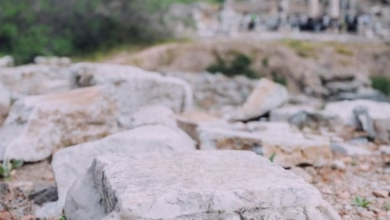
Ephesus Ancient Ruins: A Stunning Roman Site

Few places in the world capture the grandeur of the ancient Mediterranean like Ephesus ancient ruins. Located near the modern town of Selçuk in western Turkey, this remarkable archaeological site offers a vivid look into a city that once stood at the center of trade, religion, and culture. For travelers interested in Turkey Roman history, Ephesus is one of the most rewarding destinations to explore. For a broader look at the country’s travel inspiration, visit Voyzar.
Walking through its marble streets, past towering façades and weathered stone columns, it is easy to imagine the bustle of ancient life. Merchants, philosophers, emperors, and everyday citizens all passed through these same spaces more than two thousand years ago.
Why Ephesus Matters
Ephesus was one of the most important cities of the ancient world. Under Roman rule, it became a major commercial and administrative hub, connecting the eastern and western parts of the empire. Its location near the Aegean coast made it a thriving port city, and its wealth supported temples, libraries, baths, and theaters that still impress visitors today.
The site is especially significant because it preserves a large portion of a Roman city in a highly accessible form. Unlike many ruins that are scattered or difficult to interpret, Ephesus gives a clear sense of urban life in antiquity. Streets, public buildings, and residential areas remain visible, allowing visitors to see how the city was organized.
A Window into Roman Life
Ephesus is more than a collection of ruins. It is a historical record carved in stone. The city reflects the engineering skills, artistic taste, and social structure of the Roman world. From grand civic buildings to intricate mosaics, the remains reveal how Roman influence shaped life in Asia Minor. For historical background on the site, the UNESCO World Heritage listing for Ephesus provides a useful reference.
Highlights of the Ephesus Ancient Ruins
A visit to Ephesus offers many unforgettable sights. Some of the most famous landmarks include:
– The Library of Celsus – One of the most photographed ruins in Turkey, this elegant façade once housed thousands of scrolls.
– The Great Theatre – Large enough to seat tens of thousands, it was used for performances and public gatherings.
– Marble Street – A striking ancient roadway lined with remains of colonnades and shops.
– The Temple of Artemis – Though only fragments remain, this once-magnificent temple was one of the Seven Wonders of the Ancient World.
– Terrace Houses – These preserved residences offer a glimpse into the lives of the city’s wealthier inhabitants.
Each of these sites adds another layer to the story of Ephesus. Together, they make the city one of the most important examples of Roman urban planning in the region.
The Beauty of Stone Columns and Marble Streets
One of the most striking features of Ephesus is its use of marble and architectural detail. The site is filled with stone columns, carved reliefs, and monumental gateways that still stand despite centuries of weathering. These remains are not just decorative; they reflect the power and ambition of the city’s rulers and patrons.
As you walk along the ancient streets, the polished surfaces and columns evoke the elegance of a prosperous Roman city. Even in ruin, the architecture feels intentional and grand. The symmetry of the streets and the remains of porticoes show how carefully Ephesus was designed.
A Photographer’s Dream
For visitors, the site is also a paradise for photography. Early morning or late afternoon light casts warm shadows across the stone, making the columns and façades glow. The contrast between the ancient structures and the surrounding hills adds to the atmosphere, creating scenes that feel both timeless and dramatic.
Ephesus and Turkey Roman History
When people think of Turkey Roman history, Ephesus is often one of the first places that comes to mind. The city played a major role during the Roman Empire and was also important in early Christian history. Its religious and political significance made it a focal point for centuries.
Ephesus was home to emperors’ visits, major civic events, and religious debates. It was also connected to early Christian figures and traditions, which gives the city a unique place in both classical and biblical history. This blend of Roman, Hellenistic, and Christian heritage makes it one of Turkey’s most layered historical destinations.
Tips for Visiting Ephesus
If you plan to visit the Ephesus ancient ruins, a little preparation goes a long way. The site is large, open, and often hot in summer, so comfort matters.
Helpful Travel Tips
– Wear comfortable walking shoes, as the marble paths can be uneven and slippery.
– Bring water, sunscreen, and a hat, especially during warmer months.
– Visit early in the day to avoid crowds and harsh sunlight.
– Allow enough time to explore both the main site and nearby attractions.
– Consider hiring a guide or using an audio guide to better understand the history.
You may also want to visit the nearby Ephesus Museum or the House of the Virgin Mary, both of which add context to the region’s rich past.
A Timeless Destination
Ephesus is not just another ruin field. It is a living reminder of the scale and sophistication of the ancient world. The city’s streets, theaters, libraries, and stone columns still speak of a time when it stood among the greatest cities of the Roman Empire.
For anyone interested in archaeology, history, or architecture, this archaeological site is an essential stop in Turkey. It offers a rare opportunity to step into the world of ancient civilization and see how Roman design and culture shaped a city that still fascinates the modern world.
The Ephesus ancient ruins continue to inspire visitors with their beauty and historical depth. If you are exploring Turkey Roman history, few places offer a more powerful and unforgettable experience.