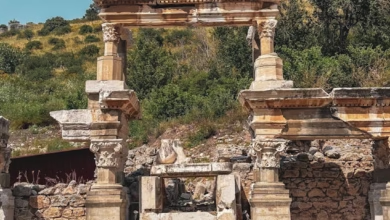
Ephesus Ancient Ruins: A Stunning Roman Journey
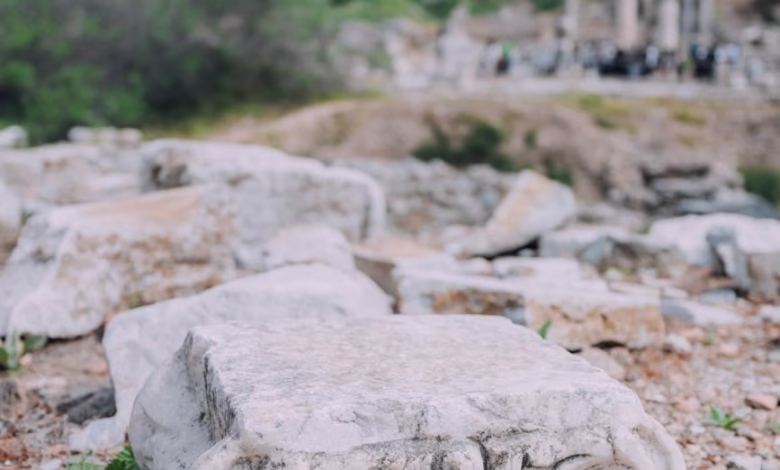
Few places bring the ancient world to life as vividly as Ephesus. This remarkable Ephesus ancient ruins site in western Turkey is one of the best-preserved archaeological treasures in the Mediterranean. Walking its marble streets feels like stepping into a living chapter of Turkey Roman history, where temples, theaters, libraries, and bathhouses still echo with the grandeur of a lost empire.
If you are planning a visit, this guide will help you understand what makes the site so special, what to see, and how to make the most of your trip. For more nearby history, you may also enjoy another look at Ephesus’s Roman heritage.
Why Ephesus Is So Famous
Ephesus was once one of the most important cities of the ancient world. It flourished under Greek, Roman, and Byzantine rule, becoming a major center of trade, religion, and culture. Today, the remains of the city offer a rare glimpse into urban life thousands of years ago.
What makes Ephesus especially impressive is its condition. Many ancient sites are reduced to scattered fragments, but Ephesus still features grand streets, towering facades, and rows of stone columns that give a sense of the city’s original scale. It is easy to see why this archaeological site is considered one of Turkey’s top historical landmarks.
Top Highlights to See
A visit to Ephesus can take a few hours or most of a day, depending on your pace. Here are the most important places to explore.
The Library of Celsus
This is the iconic image of Ephesus. The Library of Celsus was built in the 2nd century AD and once held thousands of scrolls. Its restored facade is one of the most photographed landmarks in Turkey.
The carved columns, statues, and intricate details make it a standout example of Roman architecture. Standing in front of it, you can imagine the sophistication of the city at its peak.
The Great Theatre
The Great Theatre is another must-see. Carved into the hillside, it could hold up to 25,000 spectators. It was used for performances, political gatherings, and public events.
From the top rows, you get a sweeping view of the ruins below and the ancient road stretching toward the port. It is one of the most powerful reminders of Ephesus’s role in Turkey Roman history.
Curetes Street
This marble-paved street runs through the heart of the ancient city. As you walk along it, you pass fountains, statues, old shopfronts, and columns that once lined a bustling urban center.
Watch for:
- Decorative reliefs
- Remains of public buildings
- Old drainage channels
- Beautifully preserved paving stones
Curetes Street gives visitors a real sense of daily life in ancient Ephesus.
The Temple of Hadrian
This elegant structure was dedicated to Emperor Hadrian and features detailed carvings above its entrance. Though smaller than some of the other ruins, it is one of the site’s most beautiful architectural remains.
Its delicate stonework shows the craftsmanship that made Ephesus a model Roman city.
Terraced Houses
For a deeper look at wealthy Roman life, the Terraced Houses are essential. These preserved homes feature mosaics, frescoes, and even private heating systems. They show how advanced domestic life could be in the ancient city.
The covered walkways also help protect the interiors, making this part of the site especially worthwhile for history lovers.
Useful Visiting Tips
A little planning can make your visit smoother and more enjoyable. Here are some practical tips:
- Arrive early to avoid crowds and midday heat
- Wear comfortable shoes for uneven stone paths
- Bring water and sun protection
- Allow extra time if you want to visit the Terraced Houses
- Hire a guide or use an audio guide for historical context
Because the site is open and exposed, mornings and late afternoons are often the most pleasant times to explore. In addition, the light is usually better for photos at those hours.
Best Time to Visit
The best seasons to visit Ephesus are spring and autumn, when temperatures are milder and walking the site is more comfortable. Summer can be very hot, especially on the sunlit marble streets.
If you want a quieter experience, try to arrive right when the site opens. You will have a better chance of enjoying the ruins before tour groups build up.
What Makes Ephesus Worth Seeing
Ephesus is more than a collection of old stones. It is a place where history feels tangible. The stone columns, carved facades, and wide avenues reveal how advanced and organized Roman cities could be. Every part of the site tells a story about trade, power, religion, and everyday life.
For travelers interested in ancient civilizations, this archaeological site is among the most rewarding in the world. It combines visual drama with genuine historical depth, making it both educational and unforgettable.
To better understand the broader history of the region, the UNESCO World Heritage listing for Ephesus is also a helpful reference.
Final Thoughts
The Ephesus ancient ruins offer one of the finest windows into the classical world. From the Library of Celsus to the Great Theatre, every corner of the site reflects the ambition and artistry of its builders. Whether you are passionate about archaeology or simply love exploring historic places, Ephesus is a destination that leaves a lasting impression.
If you are traveling through Turkey, make time for this extraordinary stop. Few places capture the spirit of Turkey Roman history as completely as Ephesus.