A Guide to Doha Modern Skyline and Qatar Architecture
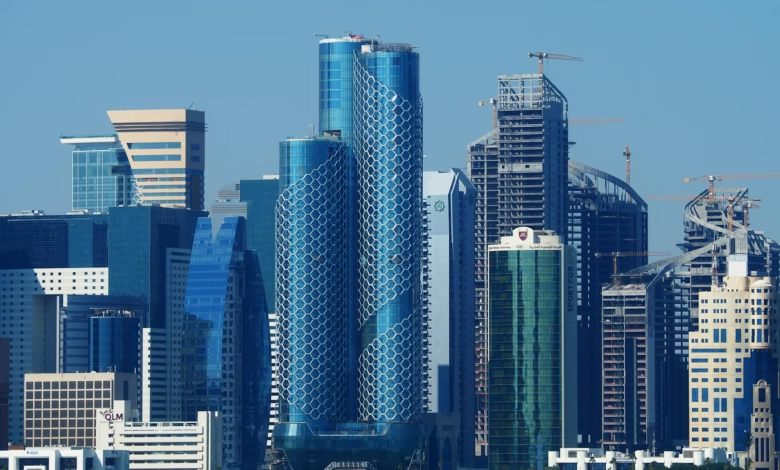
Doha has become one of the most visually striking cities in the Gulf, where traditional roots and bold innovation meet on the same horizon. The Doha modern skyline is more than a row of impressive towers; it is a statement of ambition, identity, and design confidence. For travelers, architecture lovers, and city photographers, Doha offers a unique look at how a fast-growing capital can still reflect its cultural heritage.
From shimmering glass skyscrapers to low-rise heritage districts, Qatar architecture tells a story of contrast and continuity. The city feels forward-looking, yet it remains deeply connected to the desert, the sea, and the region’s Islamic design traditions. For a broader look at the brand behind this kind of destination-focused storytelling, visit Voyzar.
What Defines the Doha Modern Skyline?
At first glance, Doha’s skyline stands out for its mix of elegant high-rises, sculptural towers, and waterfront developments. The city’s business districts and coastal neighborhoods have helped create one of the most recognizable urban silhouettes in the Middle East.
Several features shape the Doha modern skyline:
– Tall towers with curved or geometric facades
– Glass, steel, and concrete used in bold combinations
– Designs inspired by local Islamic patterns
– Careful placement along the coast for dramatic visual impact
– Night lighting that transforms the city after sunset
What makes Doha especially distinctive is the balance between spectacle and context. The buildings are futuristic, but they are also shaped by climate, culture, and location.
Futuristic Buildings with Local Identity
Many of Doha’s most famous towers are examples of futuristic buildings that still connect to regional design traditions. Instead of copying international styles, architects in Doha often reinterpret Islamic geometry, desert forms, and environmental features.
You can see this in:
Pattern and Form
Many towers use repeating latticework, angular facades, or circular shapes that echo traditional motifs. These details soften the modern glass-and-steel look and create a stronger sense of place.
Climate-Conscious Design
In a hot climate, architecture must do more than look impressive. Shade, reflective materials, and energy-efficient systems are often built into the design. This helps the city function well while maintaining visual drama.
Monumental Presence
Some of the city’s most iconic towers are designed to stand like landmarks rather than blend in. Their unusual silhouettes make the skyline memorable from both land and water.
This combination of function, symbolism, and beauty is one reason Qatar architecture has gained global attention.
The Waterfront Cityscape as a Design Feature
One of Doha’s greatest architectural assets is its coastline. The waterfront cityscape adds depth and reflection to the skyline, creating a setting that changes throughout the day. In the morning, the towers appear bright and crisp. At dusk, they glow against the sea. At night, the city becomes a mirror of lights and silhouettes.
The waterfront is more than scenery. It is central to how Doha presents itself to residents and visitors. Many of the city’s major developments are built along the bay, where promenades, marinas, and public spaces shape the urban experience.
Popular areas to explore include:
– Doha Corniche, for panoramic skyline views
– West Bay, known for its tall office towers and luxury hotels
– The Pearl-Qatar, with modern marina living and elegant architecture
– Msheireb Downtown Doha, where contemporary design meets heritage-inspired planning
Each district offers a different perspective on the city’s identity.
Qatar Architecture Beyond the Towers
While Doha’s towers get most of the attention, Qatar architecture is much broader than the skyline alone. The country has invested heavily in cultural, civic, and residential projects that reflect its changing identity.
Cultural Buildings
Museums and cultural centers in Doha often combine sculptural form with deep symbolism. Their designs may resemble desert roses, seashells, or fortress walls, linking contemporary architecture to local landscapes and history. For architectural context and building history, the Encyclopaedia Britannica overview of architecture is a useful reference.
Heritage-Inspired Spaces
Some new developments draw on older urban patterns, using courtyards, shaded walkways, and narrow streets to recreate a more human-scale environment. These spaces help connect modern city life with traditional Gulf architecture.
Public Realm and Urban Planning
Doha’s architecture is not only about individual buildings. It is also about how streets, plazas, and waterfronts are organized. This broader planning approach gives the city a more cohesive feel, especially in recently developed districts.
Best Ways to Experience the Skyline
If you want to appreciate the Doha modern skyline fully, timing and viewpoint matter. The city changes dramatically from day to night, and each angle reveals something new.
Top Viewing Tips
1. Walk the Corniche at sunset for the best reflections across the bay.
2. Take a dhow cruise to see the skyline from the water.
3. Visit West Bay after dark when the towers are fully illuminated.
4. Explore Msheireb Downtown Doha for a mix of contemporary and traditional urban design.
5. Look for rooftop viewpoints in hotels and public observation areas.
Photography enthusiasts will find that Doha’s skyline works especially well in wide shots, where the contrast between sea, sky, and towers becomes most visible.
A City Built on Vision
The story of Doha is a story of transformation. In just a few decades, it has grown into a city known for bold planning and architectural ambition. Yet its appeal is not just about size or luxury. The real strength of the Doha modern skyline lies in the way it connects progress with identity.
Through futuristic buildings, thoughtful planning, and a striking waterfront cityscape, Doha has created an urban image that feels both modern and rooted. For anyone interested in Qatar architecture, it is a city worth exploring slowly, from the shoreline to the skyline.