Travel Internet Tips for Staying Connected Abroad
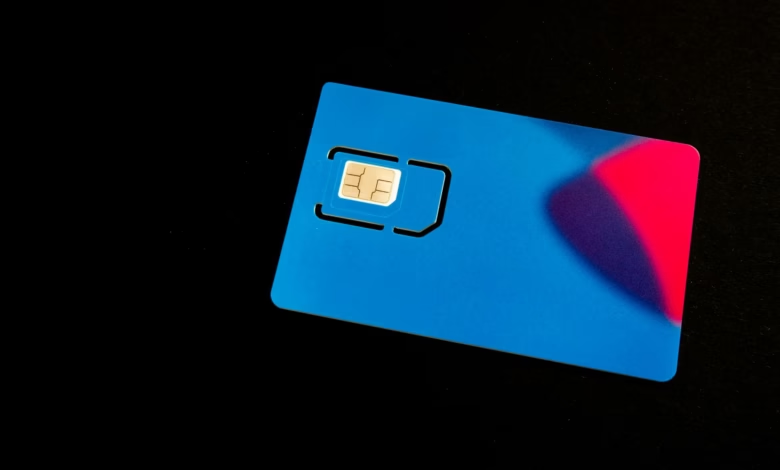
Traveling to a new country is exciting, but staying online can quickly become a headache. Between airport Wi‑Fi, roaming charges, and confusing local plans, many travelers waste time trying to get connected instead of enjoying the trip. That’s where a good international SIM card can make a big difference.
For anyone who relies on maps, translation apps, ride-sharing, or messaging, managing travel internet is just as important as booking flights and hotels. A little planning before you go can help you avoid expensive surprises and keep your phone working when you need it most. If you want more trip prep ideas, see this simple travel itinerary guide.
Why Staying Connected Abroad Matters
Being online while traveling is about more than checking social media. Reliable internet can help you:
- Find directions in unfamiliar places
- Book transport on the go
- Translate signs and conversations
- Stay in touch with family and friends
- Access hotel details, tickets, and reservations
- Handle emergencies faster
When you’re staying connected abroad, your phone becomes a practical travel tool. Without internet access, even simple tasks can become stressful.
What Is an International SIM Card?
An international SIM card is a SIM that works in multiple countries, allowing your phone to connect to mobile networks while you travel. Instead of buying a new local SIM in every destination or paying expensive roaming fees, you can use one card across different regions.
Some international SIM cards are physical cards you insert into your phone. Others are eSIMs, which are digital and can be activated without changing a physical card. Both options are part of modern travel tech and are designed to make connectivity easier.
Common Benefits
An international SIM card can offer:
- Coverage in multiple countries
- Lower costs than roaming in many cases
- Easy setup before departure
- Better reliability than public Wi‑Fi
- Flexibility for short trips or multi-country travel
Travel Internet Tips Before You Leave
Choosing the right setup starts before you board the plane. Here are a few smart steps to take in advance.
1. Check if Your Phone Is Unlocked
A locked phone may only work with your current carrier’s SIM. Before buying an international SIM card, confirm that your device is unlocked and compatible with the network bands used in your destination.
2. Compare Coverage and Data Plans
Not all plans are equal. Some offer strong coverage in one region but weaker service elsewhere. Look at:
- Countries covered
- Data limits
- Speed restrictions
- Validity period
- Voice and text options, if needed
If your trip includes several countries, make sure the plan covers all of them.
3. Decide Between Physical SIM and eSIM
If your phone supports eSIM, it can be a very convenient option for travel internet. You can often buy and activate it online before you leave. Physical SIMs are still a great choice if your device doesn’t support eSIM or if you prefer a traditional setup.
4. Download Important Apps Before You Go
Even with a strong connection abroad, you may not always have immediate access to stable internet. Download these apps ahead of time:
- Maps with offline regions
- Translation tools
- Airline and hotel apps
- Banking and payment apps
- Messaging apps
This helps you stay productive even if your signal is weak for a while.
How to Use an International SIM Card Effectively
Once you arrive, the goal is simple: get connected quickly and use data wisely.
Activate It at the Right Time
Some SIM cards start their validity period as soon as they’re activated. Read the instructions carefully so you don’t waste days before your trip begins. If possible, activate the card shortly before departure or upon landing.
Keep an Eye on Data Usage
Streaming video, automatic cloud backups, and app updates can eat through data fast. To stretch your plan:
- Turn off automatic app updates
- Disable background data for unnecessary apps
- Use Wi‑Fi for heavy downloads
- Limit video streaming on mobile data
- Monitor usage through your phone settings or provider app
For official guidance on mobile roaming and consumer protection, the International Telecommunication Union is a helpful reference.
Use Dual SIM Features if Available
Many modern phones support dual SIM or eSIM plus physical SIM combinations. This is helpful because you can keep your home number active while using a local or international data plan. It’s a smart way to balance personal and travel needs while staying connected abroad.
When an International SIM Card Is the Best Choice
An international SIM card is especially useful if you:
- Travel frequently
- Visit multiple countries in one trip
- Need reliable data for work
- Want to avoid high roaming charges
- Prefer a setup that works right away after landing
For business travelers and digital nomads, it can be one of the most practical pieces of travel tech to carry.
Other Travel Internet Options to Consider
While international SIM cards are convenient, they’re not the only option. Depending on your trip, you might also look at:
- Local prepaid SIM cards
- eSIM plans from travel providers
- Mobile hotspot devices
- Roaming packages from your home carrier
- Hotel and café Wi‑Fi for light browsing
Each option has trade-offs. Local SIMs may be cheaper in one country, while travel SIMs are often easier for multi-stop trips.
Final Thoughts
Good travel internet can save time, reduce stress, and make your trip smoother from the moment you land. An international SIM card offers a simple way to stay online without juggling multiple local plans or paying high roaming fees.
By checking compatibility, comparing plans, and managing your data wisely, you can make staying connected abroad much easier. In a world where maps, tickets, and messages live on our phones, the right connectivity is no longer a luxury—it’s essential travel tech.