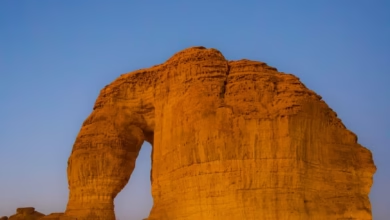
Places That Look Unreal You’ll Think Are Photoshopped
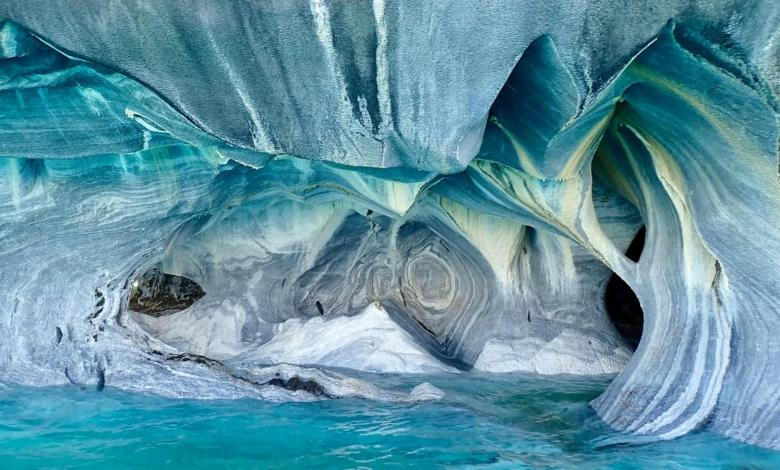
Travel has a way of humbling the imagination. Some destinations seem too vivid, too perfectly shaped, or too strangely colored to be real at all. Yet around the world, there are places that look unreal because of rare geology, unusual climate, dramatic light, or ecosystems found almost nowhere else. These are the kinds of landscapes that make people stop mid-scroll and wonder whether an image has been edited.
In reality, many of the world’s most astonishing places are even more impressive in person. From mirror-like salt flats and rainbow-colored mountains to glowing caves and surreal beaches, these destinations prove that nature often outdoes digital effects. If you’re looking for travel inspiration or simply want to discover corners of the planet that seem almost impossible, this guide highlights some of the most breathtaking places on Earth and explains what makes each one look so extraordinary.
Why Some Places Seem Too Strange to Be Real
Not every jaw-dropping landscape is the result of a single dramatic feature. Often, a place feels surreal because several elements come together at once:
- Unusual mineral compositions create unexpected colors
- Extreme weather shapes landforms into bizarre patterns
- Reflection, mist, ice, or bioluminescence changes how light behaves
- Isolation preserves environments that feel untouched by modern life
- Unique ecosystems support plants and animals found nowhere else
These factors can make destinations appear like fantasy worlds. In photographs, they may seem edited. In person, they often feel even more dreamlike because of the scale, silence, and atmosphere.
Salt Flats, Mirror Lakes, and Landscapes That Defy Perspective
Salar de Uyuni, Bolivia
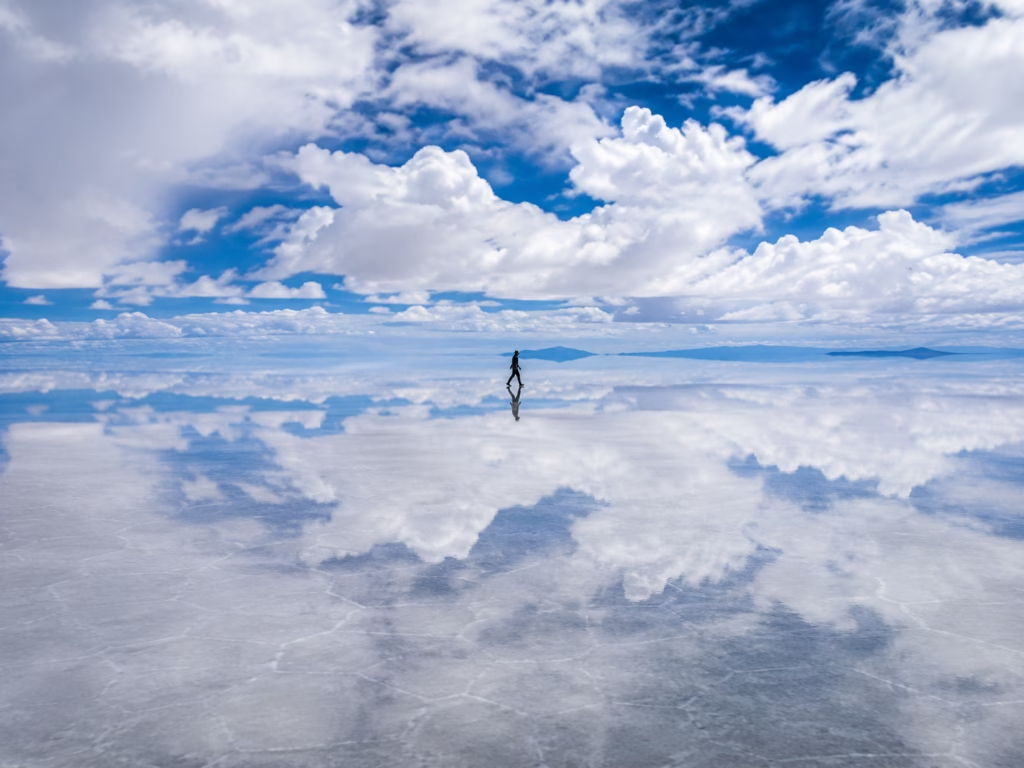
Salar de Uyuni is one of the most famous surreal destinations in the world, and for good reason. This massive salt flat becomes a giant natural mirror during the rainy season, reflecting the sky so perfectly that the horizon almost disappears. The result is a visual illusion that makes people look like they’re walking through clouds.
During the dry season, the hexagonal salt patterns create a stark white plain that also feels otherworldly. Either way, the landscape is unforgettable.
Best time to visit:
- December to April for mirror reflections
- May to November for crisp salt patterns and easier access
Why it looks unreal:
- Endless white surface
- Near-perfect reflections
- Distorted sense of distance and scale
Lake Hillier, Australia
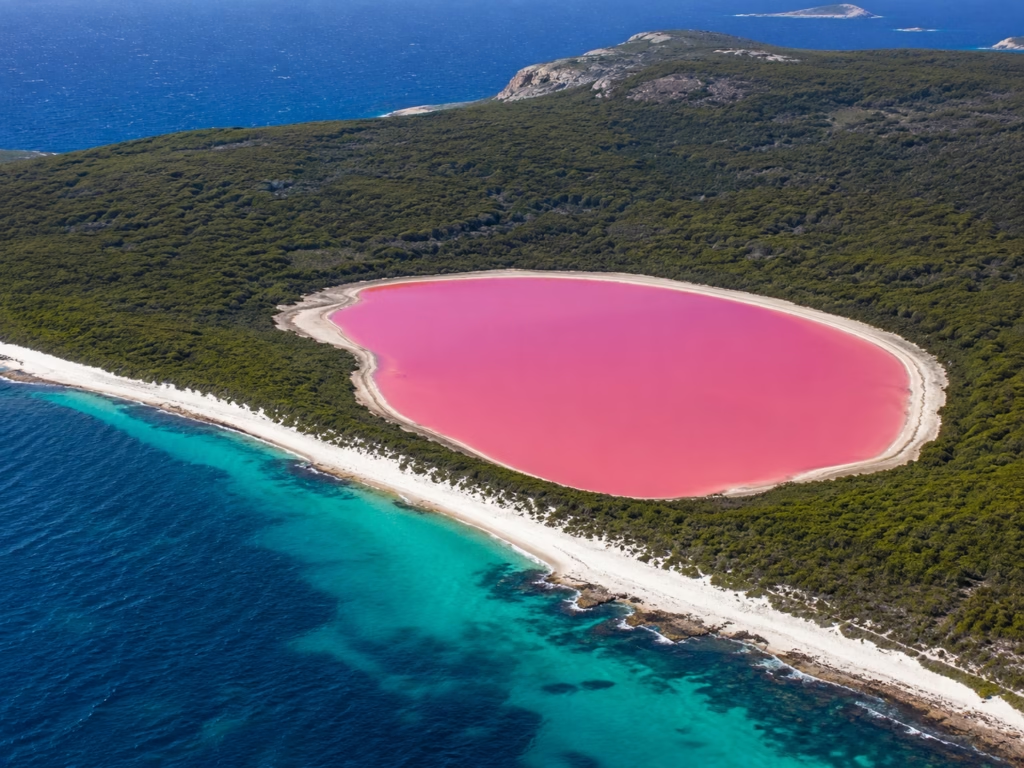
On Middle Island off the coast of Western Australia, Lake Hillier shocks visitors with its bubblegum-pink water. The vivid color remains visible even from above and does not disappear when the water is placed in a container. Scientists believe the color comes from microorganisms and high salinity.
Its bright pink water sitting beside deep blue ocean and green forest creates a color contrast that looks almost digitally enhanced.
For a broader look at reflective alpine scenery, see this guide to Lake Bled, another destination where water and landscape create a dreamlike effect.
Mountains Painted in Impossible Colors
Zhangye Danxia, China
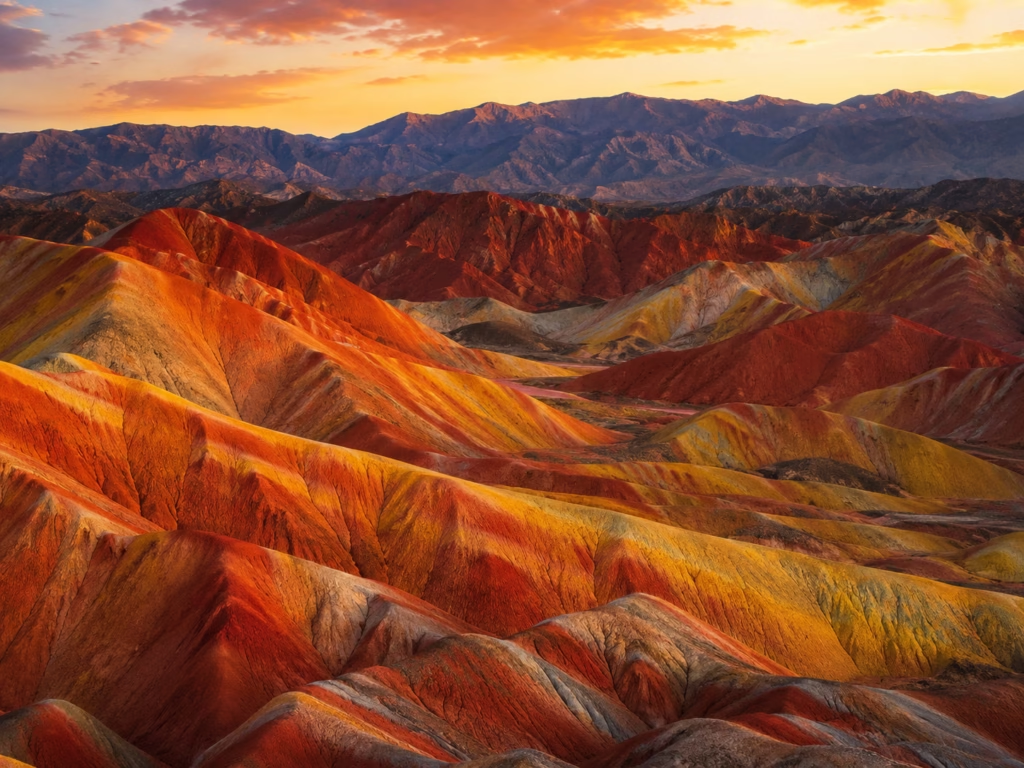
The Rainbow Mountains of Zhangye Danxia Geopark look as if they were brushed with layers of red, orange, yellow, and gold paint. These colors formed over millions of years through mineral deposits and tectonic movement, then erosion exposed the striped patterns seen today.
Sunrise and sunset are especially dramatic, when low-angle light intensifies the colors and shadows.
Travel tip:
Use designated viewing platforms for the best panoramic perspectives. Different platforms reveal different color bands and formations.
Vinicunca, Peru
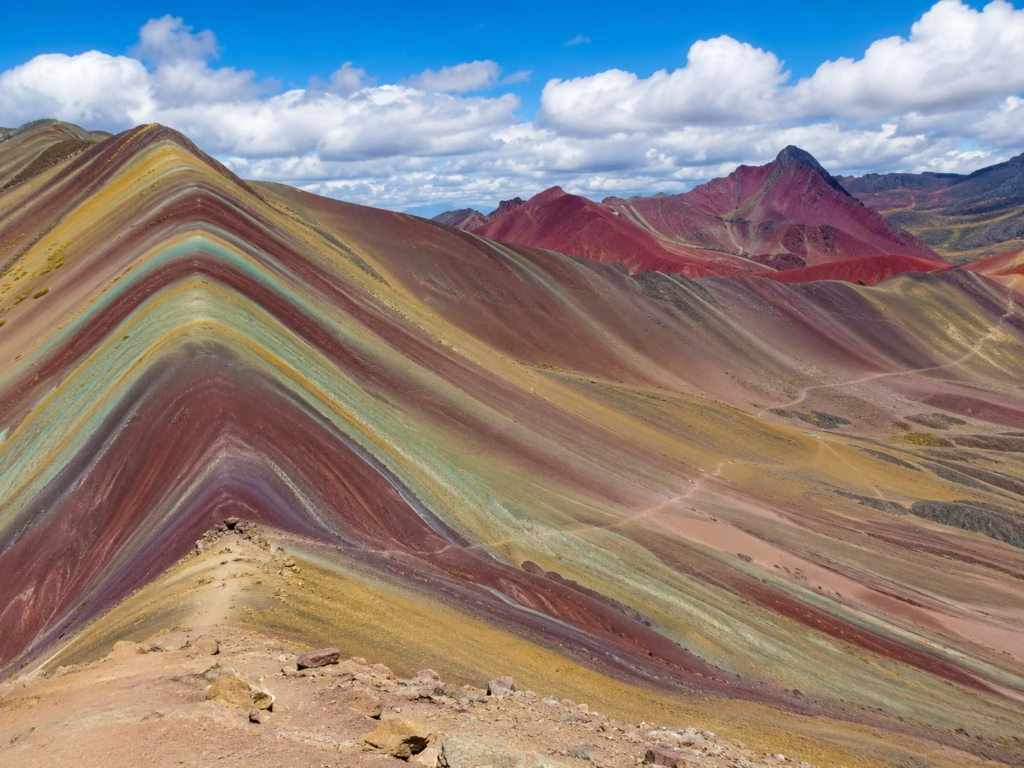
Also called Rainbow Mountain, Vinicunca has become one of Peru’s most recognizable natural wonders. Its bands of red, turquoise, mustard, and lavender come from mineral-rich sediment exposed by weathering and melting snow.
The colors can appear stronger or softer depending on season, sunlight, and cloud cover. The high-altitude setting adds to the surreal feeling, with striped slopes surrounded by dramatic Andean peaks.
Important note:
Because the hike reaches significant altitude, visitors should acclimatize in Cusco or nearby areas first.
Water That Glows, Sparkles, or Changes Color
Vaadhoo Island, Maldives
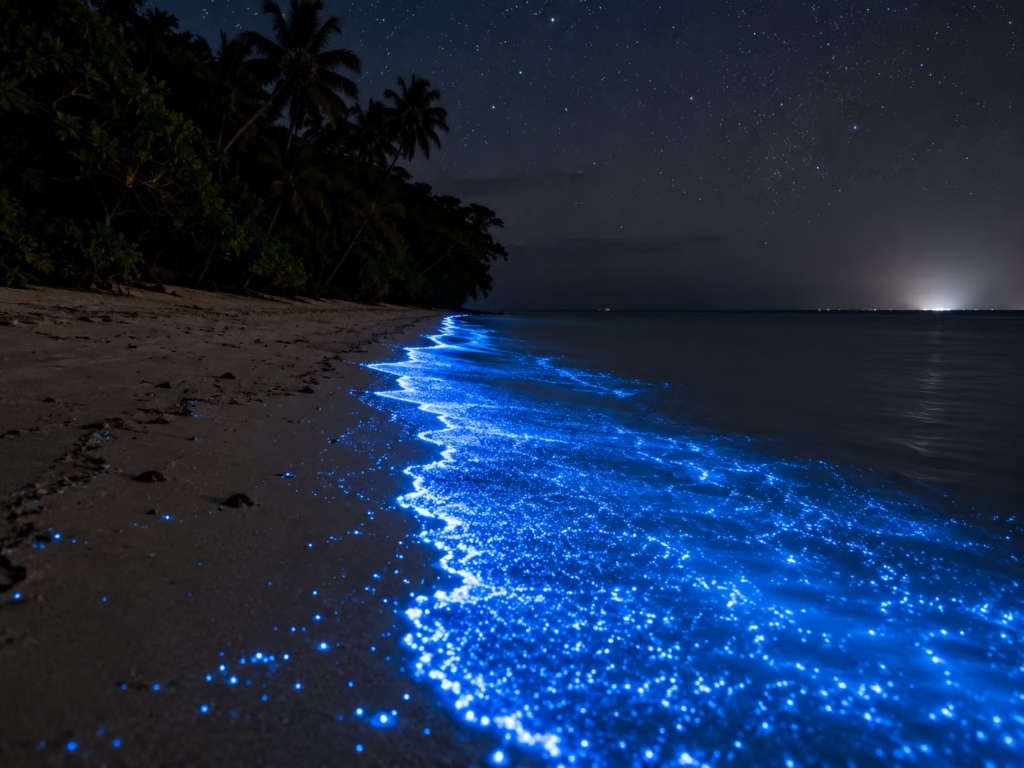
Few coastal sights feel as magical as the “Sea of Stars” phenomenon on Vaadhoo Island. At night, waves can glow electric blue thanks to bioluminescent plankton. As the water moves, tiny organisms emit light, making the shoreline look like it has been dusted with blue fire.
This is one of the clearest examples of a place that feels unreal because the effect is so strongly associated with fantasy imagery.
Best conditions for visibility:
- Dark nights with little moonlight
- Calm weather
- Warm-season plankton blooms
Moraine Lake, Canada

Moraine Lake in Banff National Park is famous for its intense turquoise water, a color created by rock flour carried into the lake by glacial meltwater. When sunlight hits the suspended particles, the lake glows in a way that often looks edited in photos.
Surrounded by the Valley of the Ten Peaks, the setting is as dramatic as the water itself. The contrast between the bright lake, dark evergreens, and jagged mountains gives the entire scene a polished, almost unreal appearance.
For more on striking glacial scenery, explore New Zealand’s South Island, where alpine lakes and mountain views create similarly vivid travel scenes.
Geological Wonders That Resemble Alien Worlds
Cappadocia, Turkey
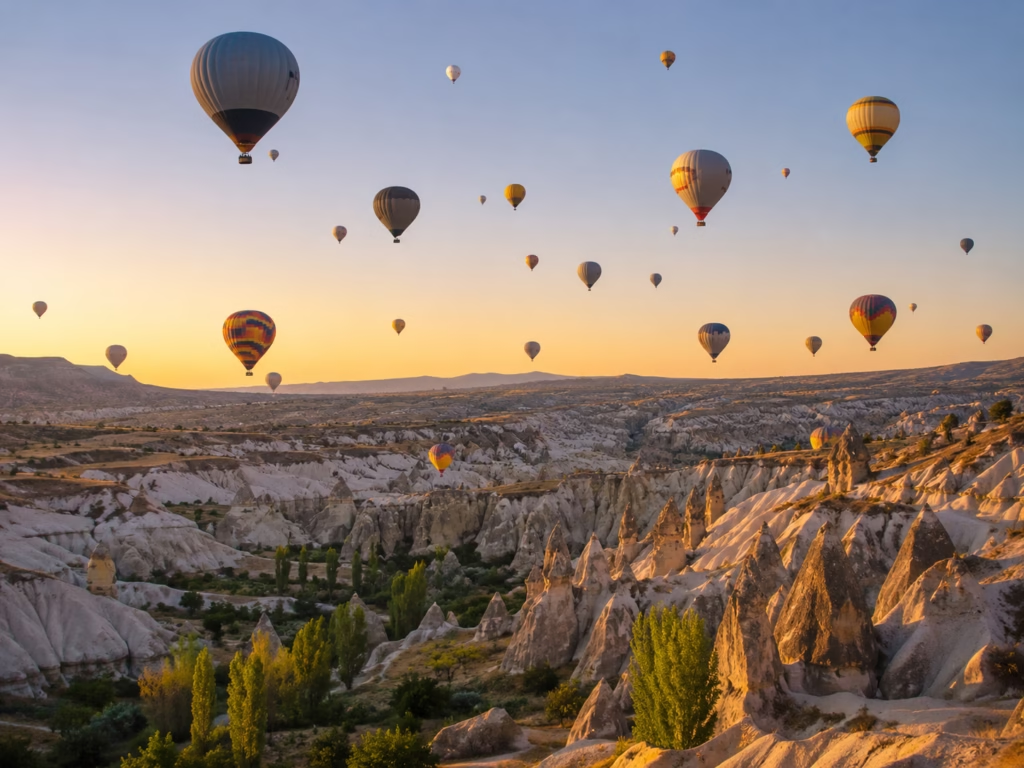
Cappadocia’s landscape of cone-shaped rock formations, cave dwellings, and carved valleys looks more like a movie set than a region people have inhabited for centuries. Volcanic ash solidified into soft rock, then wind and water sculpted the famous “fairy chimneys.”
The area becomes even more surreal at sunrise, when dozens of hot air balloons drift over the pale rock valleys.
What makes it special:
- Unusual rock towers and ridges
- Ancient cave churches and underground cities
- Soft golden light at dawn
The Wave, Arizona, USA
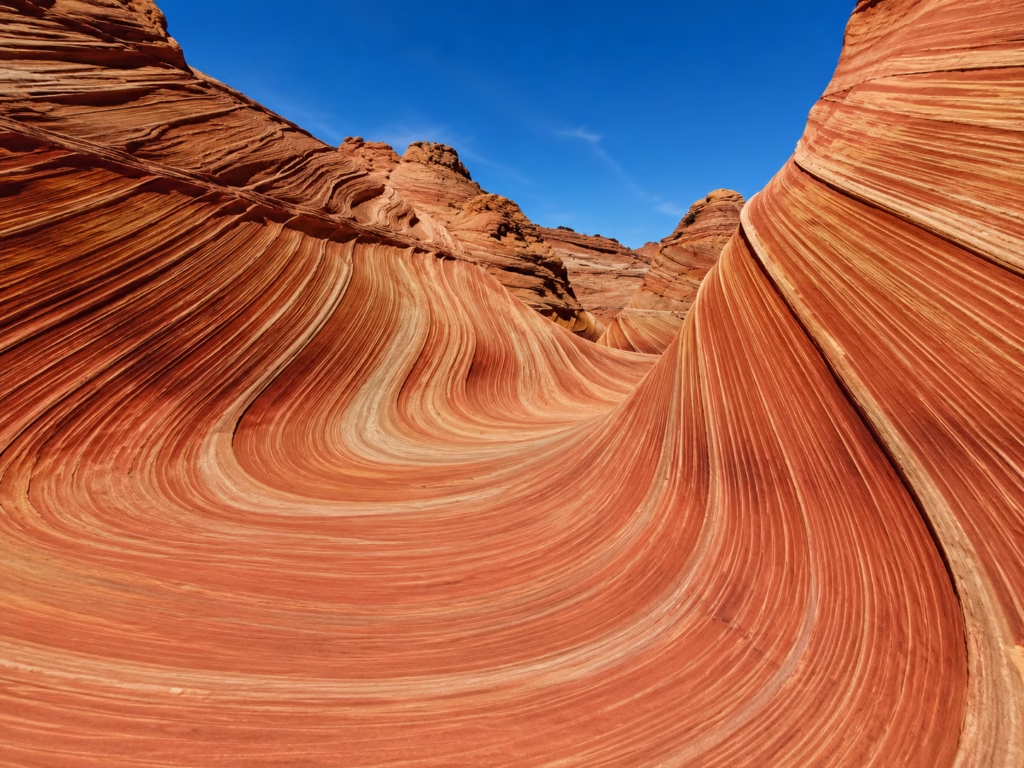
The Wave is one of the most photographed sandstone formations in the American Southwest. Its smooth, flowing stripes of red, orange, and cream appear almost liquid, like a frozen painting made of stone.
Access is limited through a permit system, which helps protect the fragile environment. For those lucky enough to visit, the curves and layered textures feel unlike anything else in the desert.
Socotra Island, Yemen

Socotra is often described as the most alien-looking island on Earth. Its most famous tree, the dragon’s blood tree, has an umbrella-like canopy that looks almost designed rather than grown. Add white dunes, limestone caves, rugged mountains, and strange endemic plant life, and the island feels completely detached from the ordinary world.
Because of its biodiversity and isolation, Socotra is one of the strongest examples of how evolution can create environments that appear almost fictional.
Dreamlike Forests, Caves, and Ice Formations
Glowworm Caves, New Zealand

The Waitomo Glowworm Caves create one of the most enchanting underground scenes on the planet. Thousands of glowworms illuminate cave ceilings with tiny blue-green lights, making them resemble a star-filled night sky.
A boat ride through the dark cave chambers is quiet, slow, and mesmerizing. The visual effect is subtle yet unforgettable, which is part of what makes it feel so unreal.
If you enjoy dramatic underground scenery, Iceland’s waterfalls guide is a good follow-up for more naturally spectacular landscapes.
Ice Caves in Iceland
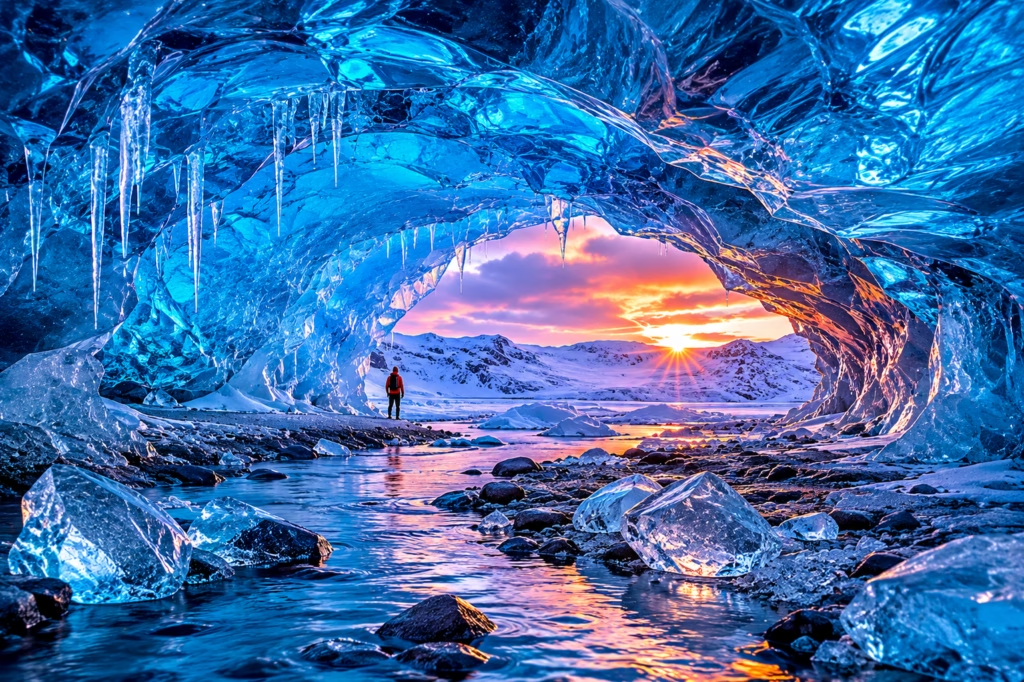
Iceland’s blue ice caves seem sculpted from glass. Formed by meltwater channels inside glaciers, these caves glow in vivid shades of blue because dense ice absorbs all colors of light except blue.
Each winter brings different cave shapes and textures, so no two visits are exactly the same. Some tunnels are smooth and translucent, while others are layered, cracked, or dramatically arched.
Safety tip:
Always visit with a certified guide. Ice caves are seasonal and conditions change quickly.
Crooked Forest, Poland
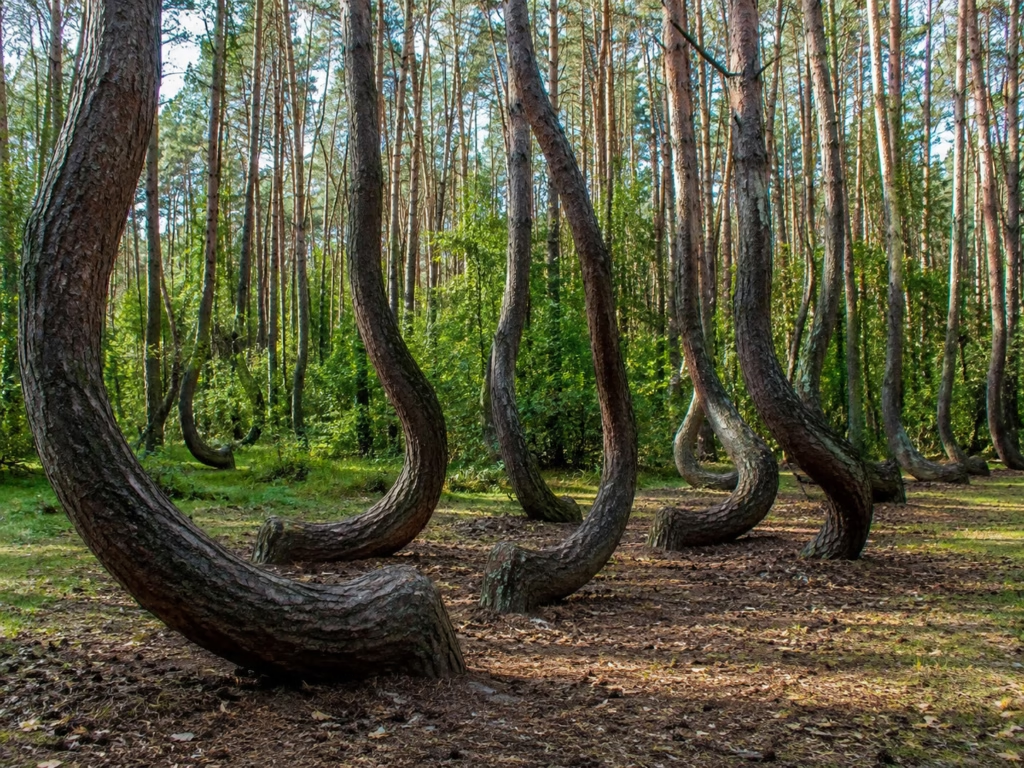
Near the town of Gryfino, a grove of pine trees bends sharply at the base before curving upward. No one knows with complete certainty why these trees grew this way. The unusual shapes create an eerie, stylized look that feels more like an illustration than a natural forest.
Because the setting is otherwise calm and ordinary, the strange curve of the trunks becomes even more striking.
Islands and Coastal Landscapes That Barely Look Natural
Whitehaven Beach, Australia
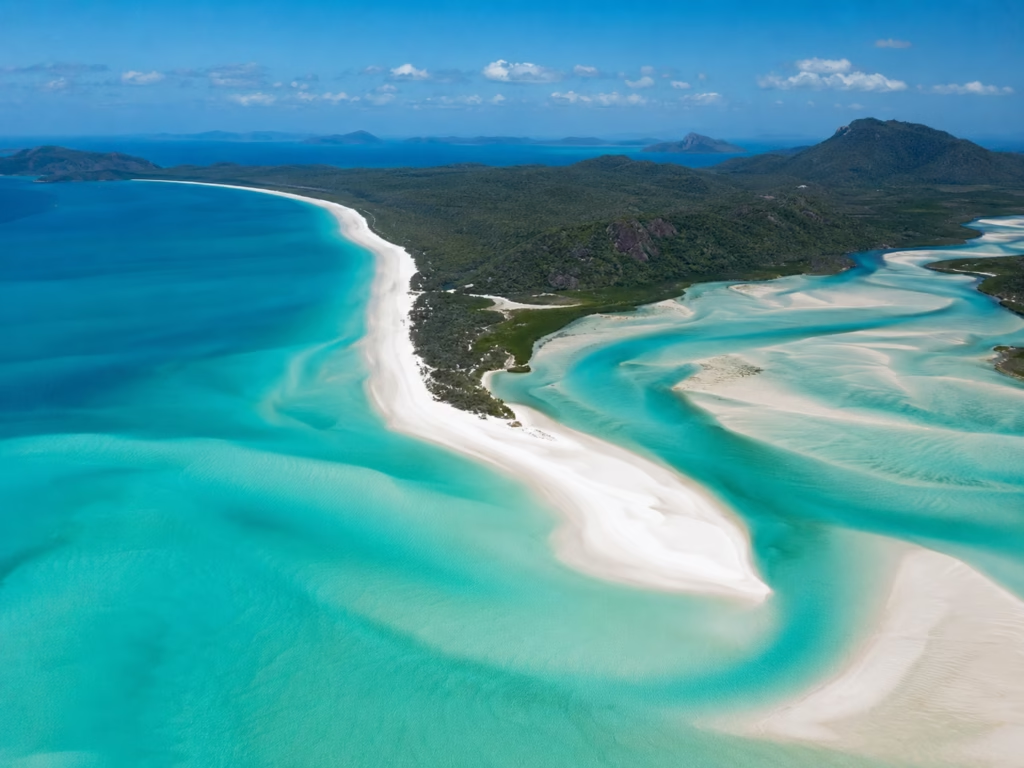
Whitehaven Beach is known for its incredibly white silica sand and swirling blue water patterns seen from above. At Hill Inlet, shifting tides blend sand and sea into marbled formations that look abstract and almost artificial.
The beach is often praised for its cleanliness and brightness, but what really sets it apart is the way the water creates constantly changing designs.
Reynisfjara, Iceland
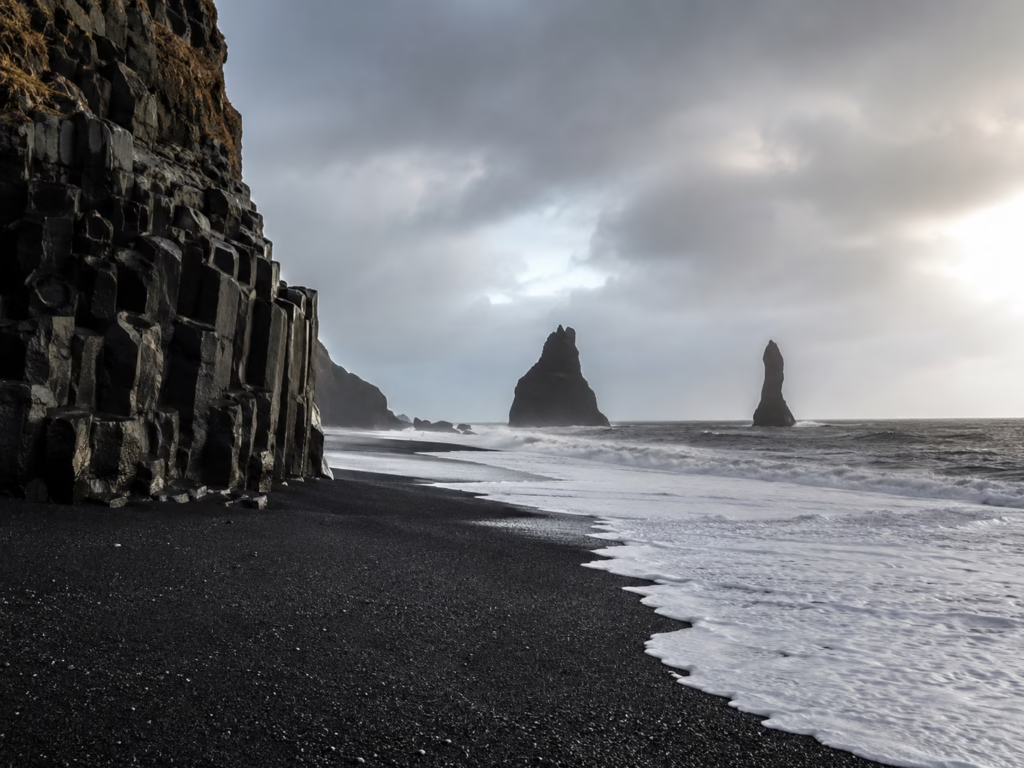
Iceland’s black sand beaches already feel dramatic, but Reynisfjara goes further with basalt columns, sea stacks, and powerful Atlantic waves. The contrast between black volcanic sand, white surf, and moody skies makes the beach look cinematic and highly edited, even when it is not.
Visitors should admire the scenery carefully and from a safe distance, as sneaker waves in the area are dangerous.
Navagio Beach, Greece
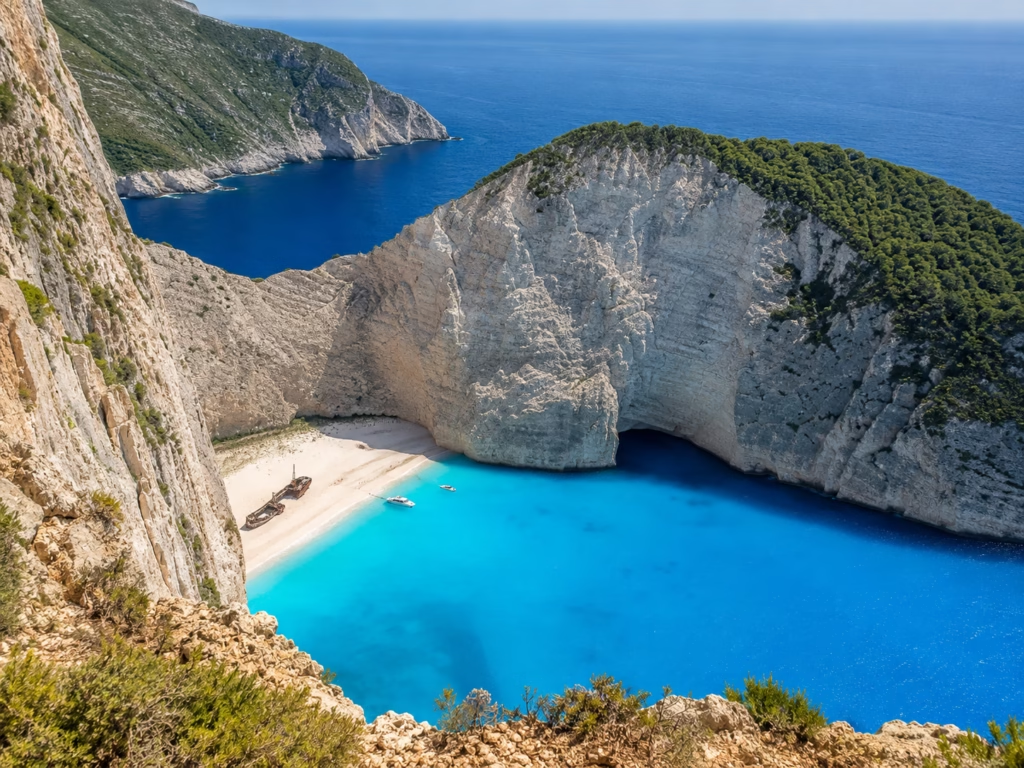
Also called Shipwreck Beach, Navagio on Zakynthos combines towering limestone cliffs, electric blue water, and a rusting shipwreck on bright white sand. The enclosed cove looks almost too perfectly staged to be natural.
It is one of the Mediterranean’s most iconic sights because the colors are so intense and the composition is so dramatic.
For another iconic coastal escape, read about the Blue Lagoon in Iceland and its striking geothermal water.
How to Visit Surreal Destinations Without Ruining the Experience
These remarkable places attract attention quickly, and some are sensitive environments. Visiting responsibly helps preserve what makes them special. For general background on protected natural areas and conservation practices, see the U.S. National Park Service.
Choose Timing Carefully
Light, weather, and season can completely change how a place looks. A glowing beach, reflective salt flat, or turquoise glacial lake may appear very different depending on conditions.
Research:
- Best season
- Time of day
- Access limitations
- Weather patterns
- Permit requirements
Respect Local Rules and Ecosystems
Many landscapes that look unreal are also fragile. Salt crusts crack, dunes shift, caves suffer from contamination, and alpine trails erode easily.
Good practices include:
- Staying on marked paths
- Avoiding drones where restricted
- Not touching delicate mineral surfaces
- Carrying out all trash
- Booking licensed guides when required
Manage Expectations About Photography
Some famous images are taken under very specific conditions. That does not mean the destination is disappointing; it means timing and perspective matter. Go for the experience first, not just the photo.
FAQ
What are the most famous places that look unreal?
Some of the best-known examples include Salar de Uyuni in Bolivia, Cappadocia in Turkey, Zhangye Danxia in China, the glowworm caves in New Zealand, and the bioluminescent beaches of the Maldives.
Why do some lakes appear pink or turquoise?
Unusual lake colors often come from natural causes. Pink lakes typically get their color from microorganisms, algae, or high salt content. Turquoise lakes often contain fine glacial sediment that reflects light in a striking way.
Are these destinations really as vibrant as they look in photos?
Many are, especially under the right lighting and weather conditions. However, professional photos are often taken at ideal times of day or season. The real experience is usually even more powerful because of scale and atmosphere.
Which unreal-looking places are easiest to visit?
Cappadocia, Moraine Lake, Reynisfjara, and parts of Iceland are relatively accessible with established tourism infrastructure. Others, such as Socotra or The Wave, require more planning, permits, or specialized logistics.
Is it safe to visit remote surreal landscapes?
It depends on the destination. Some locations involve altitude, strong currents, unstable ice, desert heat, or limited facilities. Always check local safety guidance, weather conditions, and whether a professional guide is recommended.
What is the best time to see bioluminescent beaches?
Bioluminescence is easiest to see on dark nights with minimal moonlight and during periods when plankton activity is high. Local seasonal patterns vary, so research the specific destination before booking.
Conclusion
The world is full of landscapes that challenge what we think nature should look like. From glowing shores and striped mountains to mirrored salt flats and cave ceilings lit like constellations, these places that look unreal remind us that reality can be far more astonishing than fiction. If there is one takeaway, it is this: when planning your next trip, don’t just look for famous landmarks—look for the rare environments that make you question whether your eyes are telling the truth.