Quebec City Old Town: French Charm and Winter Views
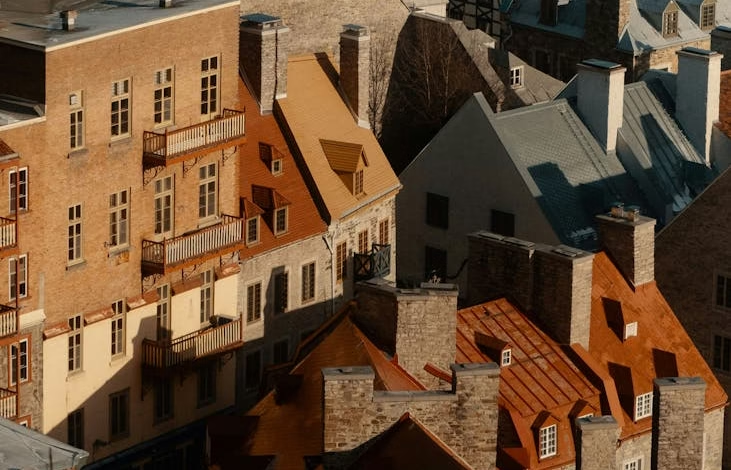
Quebec City old town is one of the most enchanting destinations in North America, especially for travelers drawn to history, charm, and atmosphere. Set high above the St. Lawrence River, this UNESCO-listed district feels like a living postcard, where cobblestone lanes, stone buildings, and fortress walls create a scene unlike anywhere else in Canada. In winter, the city becomes even more magical, transforming into a sparkling winter cityscape that feels both romantic and timeless.
For visitors interested in Canada historic streets, Quebec City offers an unforgettable walk through centuries of French influence. Every corner seems to tell a story, from colonial-era churches to elegant townhouses and lively squares filled with cafés and boutiques. For official visitor information, see Parks Canada’s page on Old Québec. If you want to learn more about the brand behind this guide, visit Voyzar.
A Walk Through Quebec City Old Town
The heart of Quebec City old town is compact, walkable, and rich in character. Unlike many modern cities, this district preserves its old-world layout, with narrow lanes, steep stairways, and stone façades that reflect its early French roots. The atmosphere is especially strong in Upper Town and Lower Town, where historic buildings sit close together and create a sense of stepping back in time.
A stroll through the old town often begins at the iconic Château Frontenac, one of the most photographed hotels in the world. Its castle-like silhouette rises above the city, overlooking the river and anchoring the skyline. From there, visitors can wander along Dufferin Terrace, then continue into the surrounding streets where artists, shops, and restaurants line the route.
A few highlights include:
- Place Royale, where French colonial history is especially visible
- Rue du Petit-Champlain, known for its narrow lanes and charming storefronts
- The Plains of Abraham, offering scenic views and historic significance
- The city walls and gates, rare remnants of fortified urban planning in North America
Each area contributes to the unique character that makes Quebec City old town feel so distinct.
The Beauty of French Architecture
One of the most striking features of the old town is its French architecture. The buildings often feature thick stone walls, steep roofs, dormer windows, and decorative details that reflect centuries of European design. Many structures were built to withstand harsh winters, and their practicality adds to their charm.
This architectural style gives the district a cohesive and elegant appearance. Rather than the glass towers and wide boulevards found in many cities, Quebec City old town presents a more intimate setting. Streets curve gently, buildings hug the sidewalks, and architectural details invite a slower pace of exploration.
Several elements stand out:
Stone Facades
The use of local stone gives the city a warm, enduring look. Even on overcast days, the buildings seem to glow with texture and history.
Steep Rooflines
The pitched roofs are not only visually appealing but also practical for shedding snow, making them ideal for the region’s long winters.
Wrought Iron and Wooden Details
Balconies, shutters, and decorative accents add personality to the streetscape, reinforcing the old-world feel.
Together, these features make Quebec City old town one of the best places in North America to experience authentic French-inspired urban design.
A Winter Cityscape Like No Other
Winter is when Quebec City old town becomes truly unforgettable. Snow blankets the rooftops, softens the stone walls, and turns the streets into a glowing winter cityscape. Lanterns and storefront lights reflect off icy cobblestones, creating a scene that feels almost cinematic.
Cold weather does not quiet the district; instead, it adds energy and atmosphere. Cafés become warm refuges, shop windows sparkle, and pedestrians move through the streets bundled in coats and scarves. The contrast between the chilly air outside and the warmth of indoor spaces makes the old town especially inviting.
Winter also brings a quieter beauty. Snow-covered rooftops and frozen river views create moments of calm, while the city’s historic core feels even more intimate under a fresh snowfall. For photographers and travelers alike, this season offers some of the most memorable views in all of Canada.
Why the Old Town Feels So Timeless
Part of Quebec City old town’s appeal lies in its ability to balance history and everyday life. It is not a museum frozen in time. People live, work, dine, and gather here, giving the district a real sense of place. This living quality makes the experience richer than simply viewing old buildings from a distance.
Visitors often notice how the old town encourages slow travel. Instead of rushing from one landmark to another, the best approach is to wander, pause, and take in the details. A bakery smell drifting onto the street, church bells echoing across the square, or fresh snow settling on a stone wall can turn a simple walk into a lasting memory.
Tips for Enjoying Quebec City Old Town
To make the most of a visit, a few simple tips can help:
- Wear comfortable shoes for uneven streets and stairways
- Dress warmly in winter, especially for long outdoor walks
- Allow time to explore side streets beyond the main attractions
- Visit early in the day or in the evening for beautiful light and fewer crowds
- Stop often to admire the architecture and street views
These small choices can make the experience more immersive and enjoyable.
A Destination Worth Savoring
Quebec City old town remains one of the most captivating historic districts in the world. Its mix of French architecture, preserved Canada historic streets, and stunning winter cityscape gives it a character that feels both elegant and deeply rooted in history. Whether covered in summer sunlight or wrapped in snow, the old town offers a timeless journey through culture, design, and atmosphere.
For travelers seeking charm, heritage, and beauty in every season, Quebec City old town is a destination that rewards slow exploration and leaves a lasting impression.