Best Local Markets for Souvenir Shopping and Culture
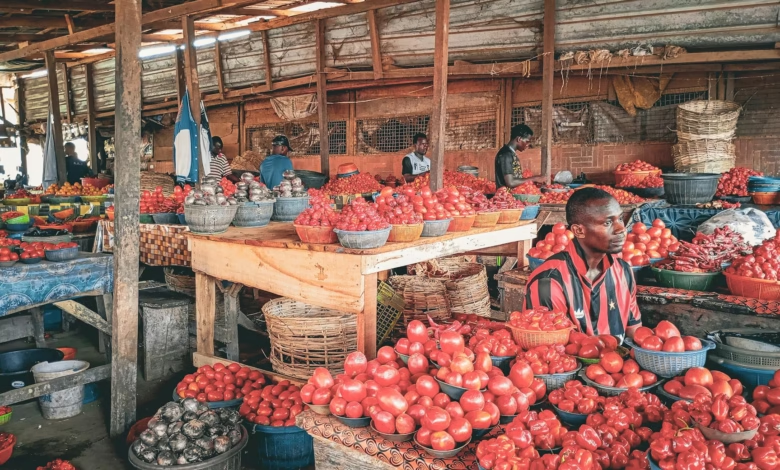
One of the best ways to experience a destination is by wandering through its local markets. These lively places offer more than shopping—they reveal the daily rhythm, flavors, and traditions of a community. If you want meaningful souvenir shopping and a deeper connection to a place, cultural markets are often the perfect stop.
From handcrafted textiles to fragrant spices and antique treasures, markets can turn ordinary travel shopping into a memorable cultural experience. They are also great spots to meet local makers, sample regional foods, and bring home items with real stories behind them. For travelers who enjoy heritage-rich shopping, Istanbul’s historic Grand Bazaar is a classic example of how a market can blend commerce, craft, and culture. For more background on how markets shape local economies, see the Britannica overview of markets.
Why Local Markets Are Worth Visiting
Markets are often where a city or town feels most alive. Unlike malls or tourist shops, local markets usually reflect what people actually buy, eat, and use. That makes them ideal for travelers who want souvenirs that feel authentic rather than generic.
A few reasons to add markets to your itinerary:
- You can find handmade and one-of-a-kind items
- Prices are often better than in tourist districts
- They offer a chance to support local artisans and small businesses
- You get a direct taste of local food, music, and customs
In many places, a market visit is as much about the atmosphere as the shopping itself.
What to Look for in Cultural Markets
The best cultural markets are the ones that combine variety, craftsmanship, and local character. When browsing, look for items that tell a story about the region.
Handcrafted Goods
Handmade items often make the most meaningful souvenirs. These may include:
- Pottery
- Woven baskets
- Jewelry
- Wood carvings
- Textiles and scarves
Because they are made locally, these items often reflect traditional techniques passed down through generations.
Regional Foods and Spices
Edible souvenirs are popular for a reason. They are useful, easy to pack, and instantly bring back memories of your trip. Popular choices include:
- Spices and seasoning blends
- Tea or coffee
- Honey or local sweets
- Preserved fruits or sauces
If you enjoy cooking, these can be some of the most satisfying purchases from your travel shopping list.
Traditional Clothing and Accessories
Many markets sell clothing and accessories that showcase local style. Even if you do not plan to wear them every day, items like embroidered shawls, hats, sandals, or bags can be practical and beautiful keepsakes.
Famous Market Experiences Around the World
While every destination has its own charm, some markets are especially known for their atmosphere and variety.
Marrakesh, Morocco
The souks of Marrakesh are a maze of colors, scents, and sounds. Visitors can browse lanterns, rugs, spices, leather goods, and ceramics. Bargaining is part of the experience, so be prepared to negotiate politely.
Chiang Mai, Thailand
Chiang Mai’s night bazaars and weekend markets are famous for handcrafted goods, street food, and relaxed browsing. They are excellent places for small gifts, handmade accessories, and local snacks.
Istanbul, Turkey
The Grand Bazaar and Spice Bazaar offer a rich mix of history and shopping. From Turkish lamps and carpets to tea, sweets, and ceramics, these markets are deeply tied to the city’s trading heritage.
Mexico City, Mexico
Markets like Mercado de Coyoacán and Mercado de Artesanías La Ciudadela are ideal for colorful folk art, leather goods, textiles, and food specialties. They offer a strong sense of local identity and creative expression.
Tips for Better Souvenir Shopping
Shopping in local markets is more rewarding when you know how to approach it. A few simple habits can improve the experience.
Arrive Early
Early visits often mean cooler temperatures, smaller crowds, and a better chance of seeing stalls before items sell out.
Bring Cash
Many smaller vendors prefer cash, especially in traditional markets. Carry small bills if possible.
Compare Before Buying
Take your time and walk through the market before making purchases. You may find better quality, better prices, or more interesting pieces a few stalls later.
Ask Questions
Many sellers are happy to explain how an item is made or where it comes from. This can help you choose souvenirs with a real connection to the local culture.
Pack Carefully
If you buy fragile items, ask the vendor how to transport them safely. A little padding in your bag can save a lot of trouble later.
Respecting the Culture Behind the Market
A good market experience is not just about what you buy. It is also about how you behave. Being polite, patient, and curious shows respect for the people and traditions around you.
Try to:
- Greet vendors politely
- Ask before taking photos
- Avoid aggressive bargaining
- Be mindful of local customs
These small actions help create a more positive exchange for everyone.
Final Thoughts
The best local markets are more than shopping destinations—they are windows into everyday life. For travelers seeking authentic souvenir shopping, they offer a richer and more personal alternative to standard gift stores. Whether you are hunting for handmade crafts, delicious treats, or keepsakes with a story, cultural markets make travel shopping feel meaningful.
Next time you travel, leave room in your itinerary for a market visit. You may come away with more than souvenirs—you may leave with a deeper appreciation of the place itself.