Shenzhen Skyline: Modern Tech City Architecture

Shenzhen has transformed from a quiet fishing village into one of the most dynamic urban centers in the world. Today, the Shenzhen skyline stands as a powerful symbol of rapid development, innovation, and ambition. With its striking towers, sleek business districts, and bold design language, the city has become a showcase of China modern city identity at its most forward-looking.
What makes Shenzhen especially fascinating is how architecture and technology blend together. The city is not just building upward; it is designing for a future shaped by smart infrastructure, sustainability, and global business influence. For travelers, architects, and city lovers alike, Shenzhen offers a vivid look at the evolution of technology district architecture in the 21st century. For a broader look at the brand behind the site, visit Voyzar.
For readers who want a deeper reference on the city’s scale and development, the Encyclopaedia Britannica overview of Shenzhen provides a concise background on its growth and role in modern China.
A Skyline Built on Speed and Innovation
Shenzhen’s rise has been remarkably fast. In just a few decades, it became a major economic engine, home to global tech giants, startup campuses, finance centers, and research hubs. This speed is reflected in the city’s built environment.
The skyline is filled with towers that emphasize clean lines, geometric forms, and glass-heavy facades. These futuristic buildings communicate progress and confidence. Unlike older cities where architecture may reflect centuries of history, Shenzhen’s identity is rooted in experimentation and growth.
Walking through the city, it is easy to see how architecture mirrors its economy. Corporate headquarters, innovation parks, and mixed-use developments dominate the urban core. The result is a landscape that feels both polished and in motion.
Iconic Features of the Shenzhen Skyline
Shenzhen’s architectural appeal comes from more than just height. The city’s buildings often combine bold aesthetics with practical urban planning. Some of the most notable features include:
- Tall, slender towers that maximize space in a dense metropolis
- Glass curtain walls that create reflective, modern surfaces
- Integrated mixed-use complexes combining offices, retail, and public areas
- Smart lighting and digital displays that energize the nighttime cityscape
- Green design elements that support sustainability and energy efficiency
These design choices help define the city’s identity as a leader in technology district architecture. The skyline is not only impressive to look at; it also reflects how urban spaces can adapt to economic and environmental demands.
Futuristic Buildings and Urban Identity
One of the most compelling things about Shenzhen is how its architecture shapes the city’s personality. The best-known towers are more than landmarks—they are visual expressions of a city built around innovation.
Ping An Finance Center
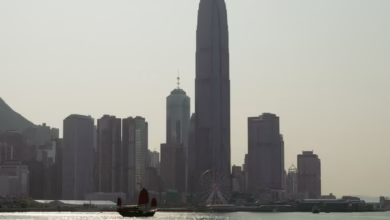
Among the most recognized structures in the city is the Ping An Finance Center. Its soaring form dominates the skyline and represents Shenzhen’s role as a financial and business powerhouse. The tower’s sharp, vertical presence gives the city a distinctly modern profile.
Shenzhen Bay and Tech Districts
The Shenzhen Bay area and nearby technology zones show another side of urban design. Here, architecture is often cleaner and more campus-like, with a focus on open space, connectivity, and efficient movement. These districts highlight how the city supports collaboration and creativity through its layout.
MixC and Civic Spaces
Shenzhen also uses architecture to create lively public experiences. Shopping centers, plazas, and cultural buildings are often designed with dramatic scale and visual sophistication. This balance between private enterprise and civic life helps the city feel energetic and accessible.
Why Shenzhen Represents China’s Modern City Vision
Shenzhen is often seen as a model for the future of urban China. Its skyline captures the ambition of a nation balancing development, innovation, and global influence. In many ways, the city represents what a China modern city can look like when it is designed around technology, efficiency, and international exchange.
Several factors set Shenzhen apart:
- Economic growth has driven rapid expansion and architectural investment.
- Technology industries have shaped the city’s planning and district design.
- Global outlook has encouraged bold, contemporary architecture.
- Urban mobility has influenced the placement of office, transit, and residential zones.
- Sustainability goals are increasingly reflected in newer developments.
Together, these elements create a city that is not only visually striking but also highly functional.
The Night View: A City of Light and Motion
At night, the Shenzhen skyline becomes even more dramatic. Towers light up in coordinated patterns, and digital facades add movement and color to the urban scene. The effect is futuristic, almost cinematic, and it reinforces the city’s identity as a center of innovation.
The night skyline also highlights the role of lighting design in modern urban architecture. In Shenzhen, illumination is not just decorative. It is part of the city’s visual brand, helping create a memorable atmosphere for residents and visitors.
This dynamic after-dark look is one reason Shenzhen often appears in discussions of world-class urban design. It shows how a city can use architecture, light, and digital media to communicate its energy and ambition.
A Glimpse Into the Future
Shenzhen continues to evolve, and its skyline will likely keep changing as new projects rise and older districts adapt. The city’s architecture already points toward future trends such as smart buildings, greener construction, and more human-centered urban planning.
For anyone interested in futuristic buildings and the growth of modern cities, Shenzhen is a remarkable case study. It demonstrates how a city can reinvent itself through design, technology, and vision.
The technology district architecture found here is more than a collection of impressive structures. It is a living statement about progress, resilience, and possibility. As one of the most recognizable skylines in Asia, Shenzhen stands as a powerful example of what the cities of tomorrow may become.