How to Make a Flexible Travel Budget for Vacation Costs
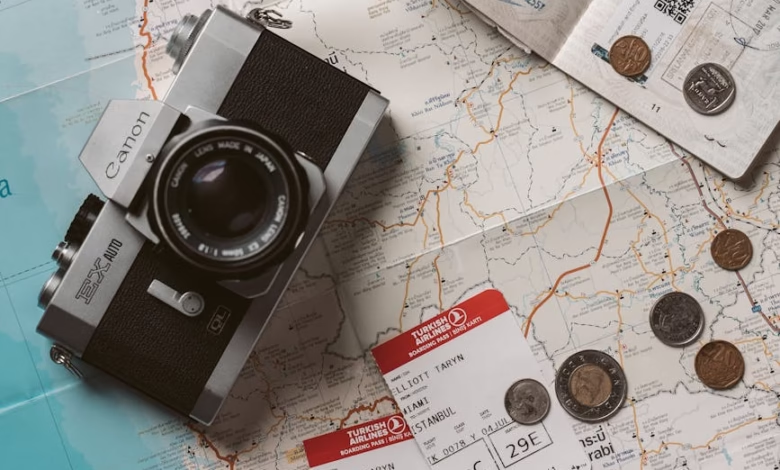
Planning a trip is exciting, but it can also get expensive fast. A good travel budget helps you stay in control without turning every decision into a stress point. The goal is not to predict every dollar perfectly. It is to create a flexible budget that gives you structure, room to adjust, and enough freedom to enjoy the trip.
With a smart approach to trip money planning, you can cover the essentials, prepare for surprises, and still leave space for fun. If you want ideas for stretching your money even further, see best budget vacation tips for smart savings.
Start With the Big Picture
Before you build your budget, decide what kind of trip you want. A weekend city break, a long international holiday, and a road trip all come with different vacation costs.
Think about these basics first:
- Destination
- Trip length
- Number of travelers
- Type of accommodation
- Style of travel: budget, mid-range, or comfort-focused
This gives you a starting point for estimating expenses. A 10-day trip with hotel stays and flights will need a different budget than a driving vacation with free camping or family stays.
Break the Budget Into Categories
A flexible travel budget works best when it is divided into clear sections. Instead of thinking of one large total, separate your money into categories.
Main travel expense categories
- Transportation: flights, trains, gas, rental cars, taxis, rideshares
- Lodging: hotels, hostels, vacation rentals, camping
- Food and drinks: groceries, restaurants, snacks, coffee
- Activities: tours, museums, events, entry fees
- Local transport: metro passes, buses, scooters
- Extras: souvenirs, tips, baggage fees, travel insurance
Once you list these, estimate how much each will cost. You do not need exact numbers yet. Even rough estimates can help you see where your money is going.
Add a Cushion for the Unexpected
One of the most important parts of trip money planning is leaving room for surprises. Travel almost always comes with extra costs.
These might include:
- A delayed flight
- A more expensive meal than expected
- A last-minute taxi
- An attraction you did not plan for
- Higher prices in tourist areas
A good rule is to add 10% to 20% of your total trip cost as a buffer. This creates a more flexible budget and reduces the chance of overspending when plans change.
Prioritize What Matters Most
Not every expense is equally important. A flexible budget works because it reflects your travel style. Decide what you care about most and spend accordingly.
For example:
- If food is a highlight of the trip, leave more room for restaurants.
- If you prefer comfort, spend more on a better hotel and less on extras.
- If experiences matter most, keep lodging simple so you can afford more activities.
This approach helps you avoid wasting money on things you do not care about. It also makes the overall travel budget feel more personal and realistic.
Track Vacation Costs Before You Go
The easiest way to stay on budget is to do some research before booking. Check current prices for flights, accommodation, transportation, and attractions. Prices can shift quickly, so compare a few options.
Useful tools include:
- Travel booking sites
- Airline and hotel apps
- Budget calculators
- Currency conversion apps
- Notes or spreadsheets for tracking estimates
Write down your expected vacation costs in one place. That way, you can compare your planned spending with your actual spending later. For reliable currency checks while you plan, use the XE Currency Converter.
Leave Space for Flexibility
A flexible budget should not be so tight that every small change causes a problem. Build in room to shift money between categories if needed.
For example, if your hotel is cheaper than expected, you can use the extra funds for a special dinner or activity. If one day costs more than planned, you can reduce spending the next day.
Here are a few ways to keep your budget flexible:
- Use daily spending limits instead of only one total amount
- Keep part of your budget in reserve
- Choose refundable bookings when possible
- Avoid filling every day with paid activities
This gives you breathing room and helps the trip feel easier to manage.
Review and Adjust as You Go
A travel budget is not something you set once and forget. Check your spending during the trip so you know whether you are on track.
A simple daily check can help:
- How much have you spent today?
- How does that compare with your target?
- Do you need to adjust tomorrow’s plan?
This kind of trip money planning makes it easier to avoid surprises near the end of your vacation. It also helps you make smarter decisions in real time.
Final Thoughts
A strong travel budget is not about restriction. It is about freedom. When you use a flexible budget, break expenses into categories, and include a cushion for unexpected vacation costs, you can travel with less stress and more confidence.
Good trip money planning gives you control while still leaving room for spontaneity. That balance is what makes travel enjoyable, practical, and sustainable.