Jeddah Al Balad Historic Buildings: A Heritage Guide
Jeddah Al Balad is one of the most atmospheric heritage districts in the Arabian Peninsula. With its coral-stone houses, carved wooden balconies, and narrow lanes, it offers a vivid look at the city’s past as a major Red Sea trading port. Walking through this old quarter feels like stepping into a living museum where commerce, culture, and architecture have blended for centuries.
For travelers, history lovers, and architecture enthusiasts, the Jeddah Al Balad historic buildings are more than preserved structures. They are stories built in stone, timber, and plaster, reflecting the city’s role as a gateway to Makkah and a crossroads of global exchange. You can also start planning your wider visit through the Voyzar homepage.
The Character of Al Balad
Al Balad developed as Jeddah’s historic center long before the modern city expanded outward. Its streets are tightly arranged, with buildings rising close together and shaded passages helping to cool the environment. The district’s urban fabric was shaped by both climate and trade, creating a unique style of Saudi heritage architecture that is practical, elegant, and deeply rooted in local identity.
Many of the buildings were constructed by merchants who traveled across the Indian Ocean, East Africa, and the Levant. As a result, the district reflects influences from multiple regions while still maintaining a distinctly Hijazi character.
Why Al Balad Matters
Al Balad is important because it preserves:
- Traditional residential and commercial buildings
- A layered history of trade and pilgrimage
- Distinctive urban design suited to the coastal climate
- Rare examples of early urban life in western Saudi Arabia
It is also recognized for its cultural value and ongoing preservation efforts, making it one of the most significant historic districts in the Kingdom.
Architectural Features of Jeddah Al Balad Historic Buildings
The charm of Al Balad lies in the details. Each building tells a story through its materials, proportions, and decorative elements. The architecture is not only beautiful but also highly responsive to the environment.
Coral Stone Construction
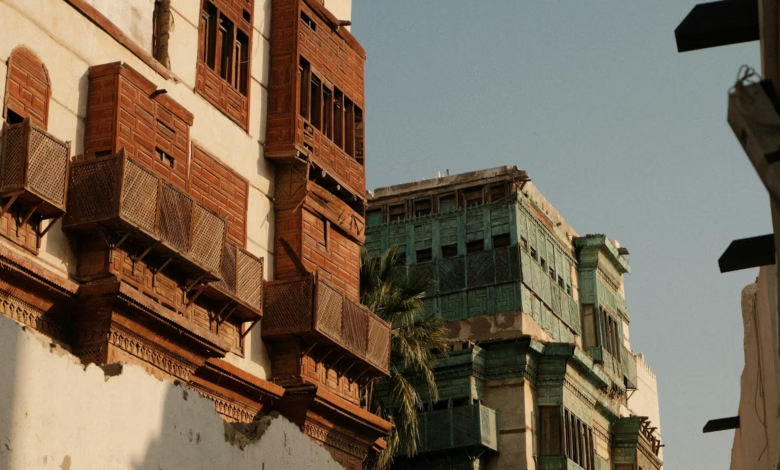
One of the defining features of the district is the use of coral stone, quarried historically from the Red Sea coast. This material helped keep interiors cooler in the intense summer heat. Walls were often finished with plaster for protection and appearance, giving the buildings their warm, textured look.
Wooden Roshan Windows
Among the most admired features are the iconic traditional windows, known locally as rawasheen or roshan. These intricately carved wooden balconies and lattice screens extend from the facades, creating a graceful rhythm along the streets. They served several practical purposes:
- Allowing air circulation
- Filtering sunlight
- Providing privacy for residents
- Enhancing the visual identity of the home
These windows are among the clearest symbols of Hijazi craftsmanship and remain central to the visual appeal of Al Balad.
Tall Facades and Decorative Details
Many homes in Al Balad rise several floors high, with symmetrical facades and carefully arranged windows. Decorative wooden beams, colored shutters, and carved frames add richness to the buildings without overwhelming their structure. The result is a style that feels both modest and ornate.
Walking the Old Jeddah Streets
One of the best ways to experience Al Balad is on foot. The old Jeddah streets are narrow, lively, and full of surprises. Every turn reveals a new detail: an aged wooden door, a shaded alley, a restored merchant house, or a small shop tucked beneath an overhanging balcony.
As you move through the district, you can sense how the neighborhood was designed for community life. The close spacing of buildings created shaded paths and a strong sense of connection between homes, mosques, and markets. This pedestrian scale makes Al Balad feel intimate, despite its historical importance.
What to Notice on a Walk
When exploring, look for:
- The contrast between coral stone and dark wooden elements
- Hand-carved doors with geometric patterns
- Upper-floor balconies projecting over the street
- Historic mosques and courtyards
- Traditional signage and restored shopfronts
These details help bring the district’s layered history into focus.
The Heritage Value of Saudi Architecture in Al Balad
Al Balad is one of the strongest examples of Saudi heritage architecture in an urban setting. Its buildings show how design can respond to climate, social customs, and economic life all at once. Instead of relying on luxury materials, builders used local resources and skilled craftsmanship to create homes and commercial spaces that were durable and expressive.
This architectural tradition also reflects the social history of the city. Jeddah was a place where merchants, pilgrims, and residents from many backgrounds interacted. The built environment mirrors that diversity through blended influences and a strong sense of adaptation. For broader historical context, the UNESCO page on Historic Jeddah, the Gate to Makkah is a helpful reference.
Preserving the Past for the Future
Today, preservation work in Al Balad is essential. Many of the historic buildings require careful restoration to protect their materials and structural integrity. Conservation efforts help ensure that future generations can continue to experience the district’s atmosphere and heritage value.
Preservation is not only about restoring old walls. It is also about protecting memory, identity, and a way of life. The Jeddah Al Balad historic buildings remind visitors that architecture can be a powerful record of human experience.
Visiting Al Balad Today
A visit to Al Balad offers more than sightseeing. It is a chance to connect with the historical heart of Jeddah and understand how the city grew from its trading roots. Whether you are admiring a roshan window, photographing a weathered doorway, or simply wandering the old Jeddah streets, the district leaves a lasting impression.
For anyone interested in heritage, design, or urban history, Al Balad is an essential destination. Its buildings are not only beautiful relics of the past; they are living expressions of place, culture, and resilience.