Simple Hotel Check-In Tips for a Better Stay
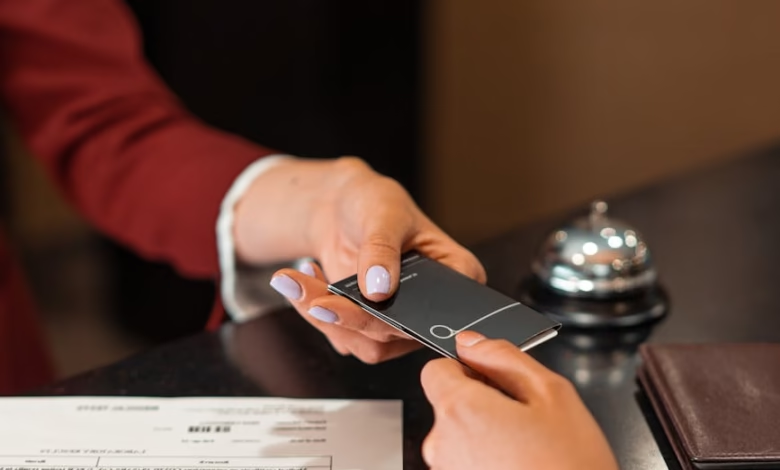
A smooth arrival can set the tone for your entire trip. Whether you are checking into a business hotel, a beach resort, or a small boutique property, a few simple hotel check in tips can save time, reduce stress, and help you settle in faster. The goal is not just to get a room key — it is to start your stay with ease, comfort, and confidence.
Good preparation also leads to a better hotel stay overall. From having your documents ready to knowing what to ask at the front desk, a little planning goes a long way. These practical accommodation tips can improve your travel comfort and help you avoid common check-in headaches.
Before You Arrive
The best check-in experience often begins before you reach the lobby. A quick review of your booking details can prevent delays and confusion.
Confirm the basics
Before leaving for the hotel, double-check:
- Your reservation name
- Check-in time
- Number of guests
- Room type
- Special requests, such as a quiet room or late arrival
If you booked through a third-party site, keep a copy of the confirmation email or reference number. It is also smart to save the hotel’s phone number in case your arrival time changes. For broader planning help, see our smart hotel booking tips.
Pack essentials in an easy-to-reach bag
Keep these items in your carry-on or personal bag:
- Government-issued ID or passport
- Credit card used for booking
- Confirmation details
- Loyalty program membership number
- Any travel vouchers or prepaid documents
Having everything ready makes the front desk process faster and helps you avoid rummaging through your luggage after a long trip.
Make Check-In Faster and Easier
A calm, organized check-in starts with how you approach the front desk. These hotel check in tips can help keep things moving.
Arrive with clear expectations
Most hotels have a standard check-in time, and arriving too early may mean waiting for your room. If you expect to arrive early or late, let the hotel know in advance. Many properties can make accommodations if they have notice.
If your plans are flexible, ask whether early check-in is available. Some hotels offer it for free, while others may charge a small fee. Knowing this ahead of time can help you plan your day better.
Be ready with payment details
Even if your room is prepaid, hotels often require a card for incidentals such as room service, minibar charges, or damage deposits. Have a card ready and ask how much will be held temporarily. This is one of the most useful accommodation tips for avoiding surprises at the front desk.
If you are traveling internationally, make sure your card will work in the destination country and that you have informed your bank if needed.
Ask the right questions
A quick conversation at check-in can improve your stay more than you might think. Consider asking about:
- Wi-Fi access and login details
- Breakfast hours
- Gym, pool, or spa opening times
- Parking options
- Housekeeping schedule
- Late check-out availability
These small questions can make your stay more comfortable and help you use the hotel’s amenities efficiently. For health guidance on travel routine and sleep, the CDC travel resources offer practical advice.
Choose the Room That Fits Your Needs
A better hotel stay often depends on the room itself. If the front desk gives you options, take a moment to consider what matters most for your travel comfort.
Think about your priorities
Different travelers value different things. For example:
- Light sleepers may prefer a room away from elevators or the street
- Families may want connecting rooms or a larger layout
- Business travelers may prioritize a strong Wi-Fi signal and a desk
- Vacation travelers may prefer a view or closer access to amenities
If noise, accessibility, or room location matters to you, mention it politely during check-in. Hotels are often willing to help when possible.
Check the room quickly
Once inside, take a few minutes to inspect the room. Make sure everything is working properly:
- Lights
- Air conditioning or heating
- Bathroom fixtures
- TV and remote
- Locks and windows
If something is missing or not functioning, contact the front desk right away. Reporting issues early helps the staff fix them quickly and improves your overall experience.
Stay Organized During Your Trip
A better hotel stay does not end at check-in. Staying organized throughout your trip can make your accommodation more enjoyable and less stressful.
Keep important items in one place
Use the room safe for passports, jewelry, and spare cash if one is available and secure. Keep your room key, phone, and wallet together when leaving the room so you do not misplace them.
It also helps to store your hotel contact information in your phone. If you get lost, need a ride, or have a question, you can reach the front desk easily.
Use the hotel’s services wisely
Many travelers overlook useful services that can add convenience and comfort. Depending on the property, you may be able to use:
- Concierge assistance
- Luggage storage
- Laundry service
- Wake-up calls
- Local transportation advice
These small conveniences can improve travel comfort and free up your time for work or sightseeing.
A Few Polite Habits Go a Long Way
Good manners can make the check-in process smoother for everyone. Be patient if the lobby is busy, and speak clearly when giving your details. If you need help, ask respectfully. Hotel staff are often more than willing to assist when guests are courteous and prepared.
A simple thank you can also make a difference. Friendly communication helps create a positive atmosphere and may even lead to better service during your stay.
Final Thoughts
A great hotel experience often begins with a simple, well-prepared check-in. By following a few hotel check in tips, you can reduce delays, ask smarter questions, and settle into your room with less stress. These easy accommodation tips support a better hotel stay and make travel comfort feel effortless.
Whether you travel often or only occasionally, a little preparation at arrival can improve the entire trip. When check-in is smooth, you have more time and energy to relax, explore, and enjoy your destination.