Prague Old Town Architecture: A Stunning Guide
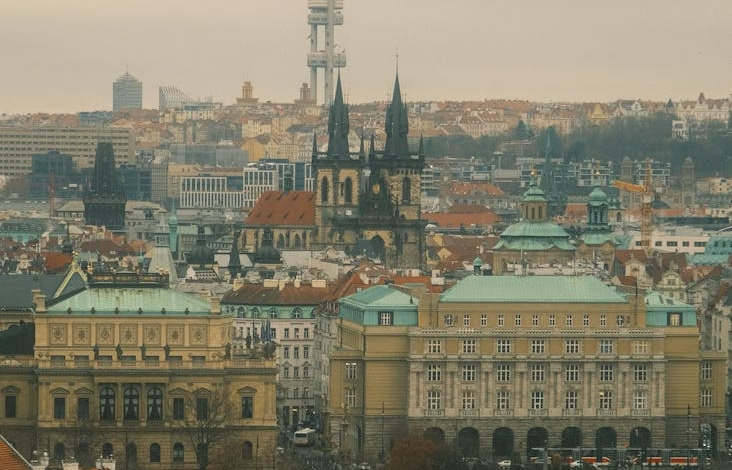
Prague is one of Europe’s most enchanting cities, and nowhere is its magic more visible than in the Old Town. With its layered history, elegant facades, and winding lanes, this part of the city feels like a living museum. The Prague old town architecture tells a story shaped by Gothic ambition, Baroque flourish, and centuries of daily life. For travelers seeking the atmosphere of a true Czech Republic historic city, Old Town offers an unforgettable walk through time.
A City Built for Wandering
Prague Old Town is not a place to rush through. Its charm appears slowly, often in small details: a carved doorway, a painted sign, a hidden courtyard, or a narrow lane opening suddenly into a grand square. The district was built long before modern traffic patterns and city planning, which is why its medieval streets still twist and turn in surprising ways.
Walking here is part of the experience. Every corner seems to reveal a different era, and every facade hints at the city’s long and complex past. For a broader sense of the city and its identity, you can also visit Voyzar.
The Layers of Prague Old Town Architecture
One of the most fascinating things about Prague is how many architectural styles coexist in a single neighborhood. The Prague old town architecture is not defined by just one period. Instead, it reflects the city’s growth across the Middle Ages, Renaissance, Baroque, and beyond.
Gothic Beauty
Gothic architecture plays a central role in the Old Town’s identity. Tall spires, pointed arches, and dramatic stone details give the district a sense of grandeur. These features are especially visible in churches and historic civic buildings, where vertical lines draw the eye upward and make the city feel monumental.
Baroque Elegance
As Prague developed, Baroque influences brought richer ornamentation and a more theatrical style. Many buildings in the Old Town display curved facades, decorative stucco, and elaborate window frames. This contrast between Gothic severity and Baroque elegance creates much of the district’s visual appeal.
Renaissance and Beyond
You’ll also find Renaissance-era details and later restorations woven into the cityscape. Prague has been carefully preserved over time, but it has also evolved. That blend of old and new gives the Old Town its lived-in charm rather than making it feel frozen in time.
Why the Medieval Streets Feel So Special
The medieval streets of Prague Old Town are among its greatest treasures. Narrow, uneven, and often pedestrian-friendly, they invite slow exploration. Unlike wide boulevards in newer cities, these lanes were shaped by horses, merchants, and foot traffic centuries ago.
That older layout creates a unique feeling:
- Streets open into squares unexpectedly
- Buildings seem close enough to touch
- Hidden passages lead to quiet courtyards
- Landmarks appear gradually instead of all at once
This street pattern gives the Old Town a sense of intimacy. Even in a busy tourist area, it can feel as though you’ve stepped into a smaller, older world.
Iconic Sights That Define the District
Old Town Prague is full of landmarks, but the real pleasure comes from seeing how they fit into the broader cityscape. The architecture is most memorable when viewed as part of the whole.
The Old Town Square
The historic heart of the district, Old Town Square is surrounded by colorful facades, church towers, and monumental buildings. It has long been a gathering place for commerce, celebration, and public life. Today, it remains one of the best places to appreciate the layered beauty of the area.
Church Towers and Rooftops
Prague is famous for its skyline, and from many points in Old Town, you can spot church spires rising above the rooftops. These towers create the city’s unmistakable profile and contribute to that classic castle view many visitors look for when exploring Prague.
Astronomical Clock Area
Near the Old Town Hall, the architecture becomes especially memorable. The surroundings combine civic power, history, and ornate medieval design. Even when crowds gather, it is worth pausing to study the building details and the way the square opens around them.
The Best Way to Experience Old Town
To truly enjoy the district, keep your pace slow and your eyes open. Prague Old Town rewards curiosity more than planning. Some of the best discoveries happen when you drift away from the main paths and follow a lane that looks interesting.
A few tips for exploring:
- Walk early in the morning for quieter streets.
- Look up to notice rooflines, towers, and decorative details.
- Step into side streets to escape the busiest areas.
- Pause in squares and courtyards to observe the architecture around you.
- Keep moving toward viewpoints for a memorable castle view over the city.
A Living Historic Landscape
What makes Prague Old Town remarkable is not just its beauty, but its atmosphere. The district remains deeply connected to the city’s identity, and its buildings still shape the rhythm of daily life. Cafes, shops, homes, and historic landmarks all share the same streets, creating a rare sense of continuity.
For readers who want reliable background on the city’s protected historic core, the UNESCO World Heritage listing for Prague offers helpful context. This is what makes Prague such a beloved Czech Republic historic city. It does not simply preserve the past behind glass. Instead, it allows visitors to walk through it, notice it, and feel part of it for a little while.
Conclusion
Exploring Prague Old Town is like stepping into a story written in stone, brick, and narrow lanes. The Prague old town architecture reveals centuries of change, while the medieval streets give the district its unforgettable character. Whether you’re admiring church towers, wandering past colorful facades, or catching a beautiful castle view above the rooftops, Prague Old Town offers one of Europe’s most atmospheric urban experiences.