Louvre Museum Paris Exterior: Glass Pyramid Guide
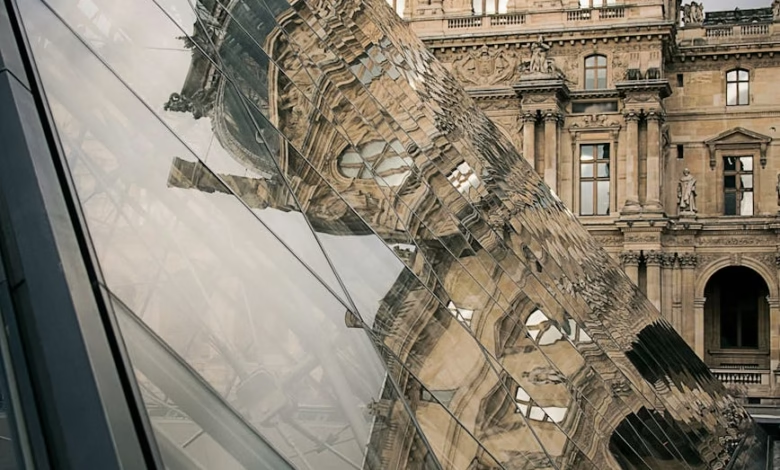
The Louvre Museum Paris exterior is one of the most recognizable sights in the city. It blends royal stone façades with striking glass pyramid architecture, creating a setting that feels both historic and modern.
Visitors often come for the masterpieces inside, but many are just as drawn to the museum’s architecture. If you are exploring Paris landmarks, the Louvre also makes a natural stop after browsing the official Voyzar site for travel inspiration.
This contrast is what makes the Louvre so memorable. The museum brings centuries of architecture, culture, and public life together in one grand setting.
A Landmark Defined by Contrast
The Louvre began as a royal palace, and its historic stone façades still frame the museum grounds today. These long wings and classical details give the complex a sense of permanence and tradition. At the center, however, stands the famous pyramid, a bold piece of glass pyramid architecture that changed the way the world saw the museum.
The design creates a dramatic visual conversation between old and new:
- The palace buildings represent French history and royal legacy
- The pyramid introduces modern engineering and transparency
- The central courtyard becomes a shared space between both eras
Rather than hiding the older architecture, the pyramid highlights it. The result is a museum entrance that feels both elegant and surprising.
The Glass Pyramid and Its Lasting Impact
Designed by architect I. M. Pei and completed in 1989, the pyramid was controversial at first. Many people wondered whether a modern structure belonged in such a historic setting. Over time, though, it became one of the most recognized symbols of Paris.
For more background on the project, the official Louvre website offers useful historical context and visitor information.
The pyramid is admired for several reasons:
1. It respects the surrounding architecture
The structure does not compete with the palace. Its transparency allows the Louvre’s classical façades to remain visible from many angles.
2. It brings natural light underground
The pyramid is not just decorative. It serves as the main entrance and helps direct light into the lobby below, improving the visitor experience.
3. It creates a memorable first impression
For millions of visitors, the pyramid is the first image associated with the museum. It has become a cultural icon in its own right.
This balance of beauty and function is a key reason the glass pyramid architecture continues to be celebrated decades later.
The Historic Courtyard as a Stage for the Museum
One of the most fascinating parts of the Louvre is its historic courtyard. This open space acts like a stage where the museum’s architecture can be viewed in layers. The courtyard allows visitors to appreciate the scale of the old palace while experiencing the sleek geometry of the pyramid in the center.
The courtyard is not only an entrance zone. It is also an architectural experience. From here, you can look up at the palace wings and see how the structure has evolved over time. The symmetry of the space gives the museum a sense of order and grandeur.
In many ways, the courtyard helps the Louvre function as both a museum and a monument. It connects the building’s past and present in a way that feels natural and timeless.
Why the Exterior Matters as Much as the Art
The Louvre is often described as a Paris art museum, but its exterior deserves just as much attention as the collections inside. The building itself tells a story about French identity, urban design, and the relationship between heritage and innovation.
Before even stepping inside, visitors encounter:
- Classic stone architecture from the former palace
- Wide open courtyards that create space and scale
- The pyramid, which anchors the entire composition
- Reflections of sky and light on the glass surface
Together, these elements make the outside of the museum an essential part of the visit. The experience begins long before anyone sees the Mona Lisa or the Venus de Milo.
A Masterpiece of Urban Design
The Louvre is also important because it shows how a major cultural institution can evolve without losing its character. Instead of freezing the building in one era, the redesign embraced change. The pyramid and courtyard layout improved circulation, made the museum more accessible, and gave visitors a clearer arrival point.
That practical success is part of the architecture’s appeal. It proves that beauty and usefulness can exist in the same space. The Louvre Museum Paris exterior is admired not only for aesthetics, but for how well it supports one of the busiest museums in the world.
Why Visitors Keep Returning
People return to the Louvre for many reasons: the art, the history, the scale, and the atmosphere. But the setting itself is a major part of the attraction. The historic courtyard offers a rare moment of openness in a dense city, while the glass pyramid architecture adds a modern edge that keeps the site feeling alive and relevant.
In a city known for beautiful landmarks, the Louvre stands out because it does not rely on one style alone. It brings together palace grandeur, public space, and contemporary design in a way few places can match.
Conclusion
The Louvre Museum Paris exterior is a powerful example of how architecture can bridge centuries. Its classical palace walls, historic courtyard, and famous glass pyramid create a setting that is as unforgettable as the art collection itself. Whether viewed from across the courtyard or up close at the entrance, the museum’s exterior tells a story of elegance, reinvention, and enduring cultural significance.
For anyone interested in Paris, architecture, or museums, the Louvre is not just a place to see art. It is a work of art in its own right.