Kyoto Zen Garden Guide: 5 Peaceful Temple Views
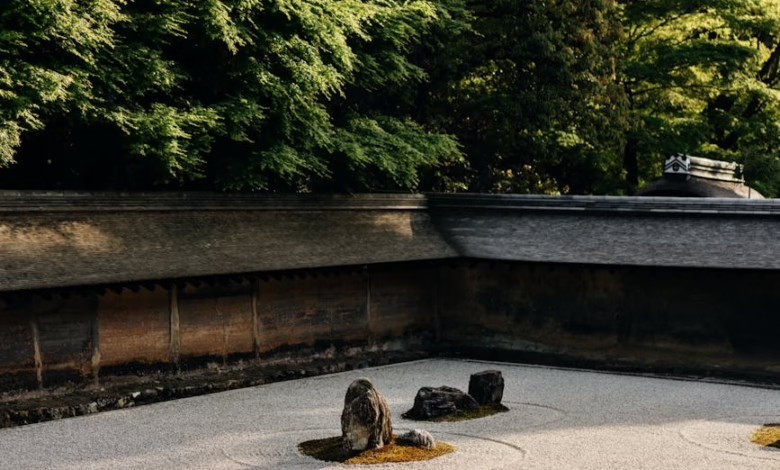
A trip to Kyoto is incomplete without spending quiet time in a Kyoto Zen garden. These carefully designed spaces are more than beautiful courtyards. They are living expressions of balance, simplicity, and reflection. With raked gravel, moss, stones, and understated planting, each Japanese stone garden invites visitors to slow down and notice the beauty of restraint.
If you are looking for a peaceful escape from the city’s busy streets, Kyoto’s Zen gardens offer exactly that. They provide a peaceful temple landscape where every element has meaning, and every corner feels intentional. For travelers drawn to traditional scenery, these gardens are among the most memorable places in Japan. For more quiet travel ideas, see quiet destinations for a truly peaceful break.
What Makes Kyoto Zen Gardens Special?
Zen gardens, also called dry landscape gardens or karesansui, are designed to suggest nature rather than copy it directly. Instead of ponds and flowing streams, you may find white gravel symbolizing water, carefully placed rocks representing mountains or islands, and moss adding softness and age.
The beauty of a Kyoto Zen garden lies in its simplicity. Nothing feels excessive. The space is quiet, but not empty. It encourages contemplation and helps visitors experience calm in a way that feels almost meditative.
These gardens are often found in temple grounds, where they connect to Buddhist ideas of mindfulness and impermanence. Even if you are not familiar with Zen philosophy, you can still appreciate the sense of order and stillness they create. For a deeper reference on the tradition, the Encyclopaedia Britannica overview of karesansui dry landscape gardens is a helpful starting point.
Best Kyoto Zen Gardens to Visit
Kyoto has many remarkable gardens, but a few stand out for first-time visitors.
Ryoan-ji
Perhaps the most famous Zen garden in Japan, Ryoan-ji is known for its simple arrangement of 15 stones set in white gravel. The design is so minimal that visitors often spend long minutes just observing it from the wooden veranda.
There is no single “correct” interpretation of the layout, which is part of its charm. The garden asks you to look carefully and think quietly.
Daitoku-ji Temple Complex
Daitoku-ji is not one garden but a large Zen temple complex with several sub-temples, many of which feature stunning garden spaces. Some are open to the public seasonally, making each visit feel special.
This is a wonderful place for travelers who want to see different examples of the Japanese stone garden style in one area. The atmosphere is calm, and the grounds are less crowded than some of Kyoto’s better-known sites.
Tofuku-ji
Tofuku-ji is famous for its autumn colors, but its gardens are impressive year-round. The temple’s dry landscape gardens blend modern composition with traditional design, offering a rich example of Kyoto’s evolving garden culture.
The views from the temple grounds are especially beautiful when framed by seasonal foliage, creating a striking traditional scenery that feels timeless.
Ginkaku-ji
Also known as the Silver Pavilion, Ginkaku-ji features a refined garden that combines moss, sand, and stone in a harmonious way. While not as minimal as Ryoan-ji, it offers a graceful and balanced atmosphere that many travelers love.
Its design is ideal for visitors who want both a Zen feeling and a broader landscape experience.
How to Enjoy a Kyoto Zen Garden
Visiting a Zen garden is not like rushing through a museum. The experience is best when you move slowly and let the space reveal itself.
Tips for a Better Visit
- Arrive early to avoid crowds and enjoy the quiet
- Spend time sitting or standing still instead of walking through quickly
- Notice the textures of gravel, stone, moss, and wood
- Look at the garden from different angles, especially from temple verandas
- Keep your voice low to preserve the peaceful atmosphere
Many gardens are designed to be viewed from a specific position, often from inside a temple building. This framing is part of the experience. It creates a scene that feels like a living painting.
Best Time to Visit Kyoto’s Zen Gardens
Kyoto’s Zen gardens are beautiful in every season, but each time of year offers a different mood.
Spring
Fresh greenery and soft light make spring a lovely season for garden visits. The surrounding trees add a delicate contrast to the gravel and stone.
Summer
Summer brings deep greens and vibrant moss. Morning visits are especially pleasant before the heat rises.
Autumn
Autumn is one of the most popular times to explore Kyoto. The red and gold leaves around the temples provide a dramatic backdrop to the calm garden spaces.
Winter
Winter can be the most peaceful season of all. Bare branches and occasional snow add a quiet elegance that enhances the minimalist design.
Why These Gardens Matter
A Kyoto Zen garden is not only a tourist attraction. It is a cultural work of art shaped by history, religion, and craftsmanship. Each stone is placed with intention. Each line in the gravel is carefully maintained. The result is a space that encourages reflection and appreciation for stillness.
In a city known for its temples, shrines, and traditional neighborhoods, Zen gardens stand out because they offer something rare: silence. They create room for thought and invite travelers to experience beauty without distraction.
Final Thoughts
If you are planning a trip to Kyoto, make time for at least one Zen garden visit. Whether you choose the iconic Ryoan-ji or a quieter temple hidden in the city, you will find a peaceful temple landscape that captures the spirit of Japan’s aesthetic tradition.
For travelers who love traditional scenery and thoughtful design, Kyoto’s Zen gardens are unforgettable. They are simple, graceful, and deeply calming—a perfect reminder that sometimes the most powerful beauty is the quietest one.