Florence Renaissance Architecture: A Smart Travel Guide
Florence is one of the best places in the world to experience the Renaissance firsthand. The city feels like an open-air museum, where streets, squares, churches, and palaces all reflect the artistic and architectural brilliance of a remarkable era. If you are planning a culture-focused trip, this Florence Renaissance Art Travel Guide will help you see the city through the lens of its greatest legacy: art.
Why Florence Is the Heart of the Renaissance
Florence is closely tied to the birth of the Renaissance. Wealthy families, powerful guilds, and visionary artists helped turn the city into a center of creativity in the 15th and 16th centuries. Painters, sculptors, architects, and thinkers all worked here, shaping ideas that would influence Europe for centuries.
What makes Florence special is that its art is not confined to museums. You see it in the streets, on church facades, in courtyards, and across the skyline. Every corner seems to reveal another layer of history.
Must-See Renaissance Landmarks
Piazza del Duomo
The Duomo area is one of the most iconic parts of Florence. The cathedral complex includes the Duomo, Giotto’s Campanile, and the Baptistery, each offering a different view of Renaissance and earlier artistic traditions.
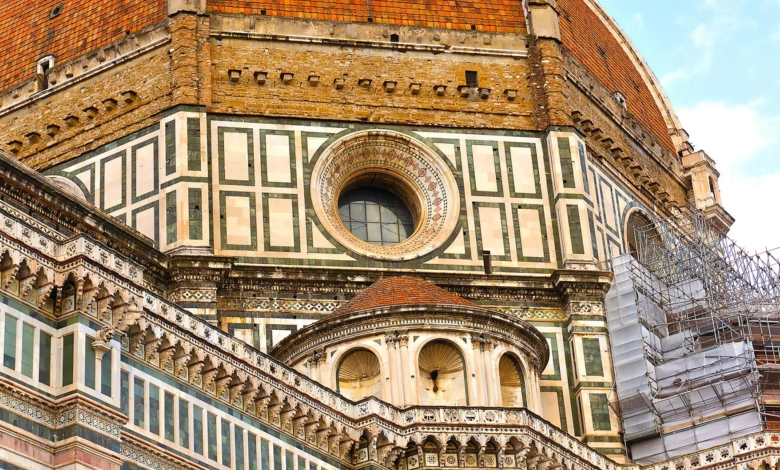
The cathedral dome designed by Filippo Brunelleschi is an architectural masterpiece and one of the greatest achievements of the Renaissance. Its scale, engineering, and beauty still impress visitors today. Climbing to the top gives you unforgettable views of the city and a close look at the structure itself.
Palazzo Vecchio
Palazzo Vecchio is both a symbol of civic power and a museum of Florentine history. Its fortress-like exterior dominates Piazza della Signoria, and inside you’ll find decorated rooms, frescoes, and works that reflect the city’s political and artistic life.
The square around it is also worth slowing down for. Statues, fountains, and historic buildings create a setting that feels deeply rooted in the Renaissance spirit.
The Uffizi Gallery
No Florence Renaissance Art Travel Guide would be complete without the Uffizi Gallery. This world-famous museum houses masterpieces by Botticelli, Leonardo da Vinci, Michelangelo, Raphael, and many others. For tickets and opening details, check the official Uffizi Galleries website.
Highlights include:
- Botticelli’s The Birth of Venus
- Botticelli’s Primavera
- Leonardo’s early religious works
- Michelangelo’s Doni Tondo
The museum itself is also part of the experience. Even the corridors and windows offer beautiful views of the city and the river. For a broader look at the city’s built heritage, see Florence Renaissance Architecture and Art Galleries.
Basilica of Santa Croce
Santa Croce is known as the burial place of some of Italy’s greatest figures, including Michelangelo, Galileo, and Machiavelli. The church interior is filled with frescoes and chapels that reflect the artistic ambitions of Renaissance Florence.
Its exterior also matters. The Italy art museum exterior style is visible in the ornate facade, which blends Gothic elements with later decorative touches, making the building a major part of the city’s visual identity.
Best Neighborhoods for a Renaissance Atmosphere
Historic Center
The historic center is the best place to feel Florence’s Renaissance character on foot. Narrow streets open into elegant piazzas, and the architecture remains remarkably consistent with the city’s golden age. Walk slowly here. Many of the most memorable moments come from simply looking up, turning a corner, or stepping into a quiet courtyard.
Oltrarno
Across the Arno River, Oltrarno offers a more local and slightly less crowded experience. This area is known for artisan workshops, old palaces, and a strong connection to traditional crafts. It is an excellent place to see how Florence’s artistic culture continues in modern life.
From several points in the neighborhood, you can enjoy a wonderful historic city view of rooftops, towers, and domes rising above the river.
Tips for Enjoying Florence’s Art Scene
To make the most of your visit, plan your days around both museums and city walks. Some of Florence’s greatest treasures are best experienced at a relaxed pace.
Helpful Travel Tips
- Book major museums in advance
- Visit popular sites early in the morning or later in the afternoon
- Wear comfortable shoes for walking on cobblestones
- Allow time for small chapels, churches, and courtyards
- Look beyond famous works and notice the architecture itself
A good Renaissance trip is not only about seeing masterpieces. It is also about understanding how the city itself was designed to reflect beauty, balance, and power.
Experiencing Florence Like a Renaissance City
One of the most rewarding parts of visiting Florence is the way art and daily life blend together. A café terrace may face a centuries-old palace. A quiet street may lead to a hidden fresco. A bridge may open onto a perfect river view. The city invites you to slow down and observe.
That is what makes Florence unforgettable. The city’s museums preserve the past, but its streets still live inside that past. From the grandeur of the cathedral dome to the harmony of Florence Renaissance architecture, every detail contributes to a city that feels timeless.
Final Thoughts
Florence is more than a destination for art lovers. It is a place where the Renaissance remains visible in every direction. Whether you are admiring a painting at the Uffizi, standing beneath the dome, or watching the sunset over the rooftops, you are stepping into one of history’s greatest artistic landscapes.
Use this Florence Renaissance Art Travel Guide as your starting point, and let the city’s beauty lead the way.