Exploring Luxor Egypt Temples and Ancient Ruins
Luxor is often described as the world’s greatest open-air museum, and for good reason. Set along the Nile, this remarkable city brings together Luxor Egypt temples, sweeping ancient ruins, and a living cultural landscape that still feels closely tied to its pharaonic past. Every avenue, courtyard, and carved wall tells a story of kings, gods, ceremonies, and daily life from thousands of years ago.
For travelers who love history, architecture, and atmosphere, Luxor offers something rare: a place where the ancient and modern exist side by side. The river, the desert cliffs, and the temples combine into a powerful Nile heritage landscape that is unlike anywhere else in Egypt. For another example of Egypt’s monumental past, see Ephesus Ancient Ruins: A Stunning Roman Journey.
Why Luxor Matters
Luxor stands on the site of ancient Thebes, once the capital of Egypt during its most powerful dynasties. This was the center of religious life, royal authority, and monumental building. The temples and tombs here were created to honor the gods, preserve royal memory, and guide the dead into the afterlife.
What makes Luxor especially compelling is the scale of what remains. Vast courtyards, towering pylons, and rows of archaeological columns still rise from the ground with astonishing presence. Even after centuries of wind, sand, and human history, these ruins continue to inspire awe.
The Great Temples of Luxor
Karnak Temple Complex
Karnak is one of the most important temple sites in Egypt and one of the most impressive anywhere in the ancient world. It was built and expanded over many centuries, resulting in a massive complex of sanctuaries, halls, obelisks, and sacred lakes.
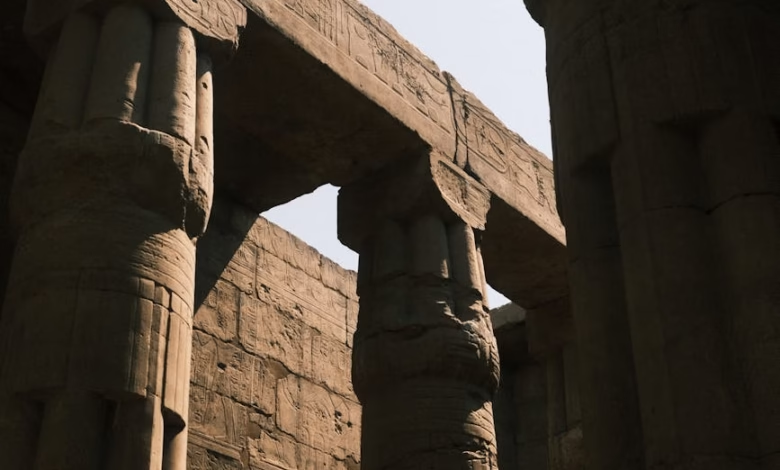
The most famous part of Karnak is the Great Hypostyle Hall, a forest of giant stone columns covered in detailed carvings and inscriptions. Walking among these archaeological columns feels like entering a stone cathedral built for the gods. Each column tells part of the story of the temple’s long development and the rulers who added to it.
Highlights at Karnak include:
- The Great Hypostyle Hall
- The Avenue of Sphinxes
- Sacred Lake
- Obelisks of ancient pharaohs
Karnak is not just a temple; it is a record of Egypt’s religious and political history carved into stone.
Luxor Temple
A little farther south along the river lies Luxor Temple, another masterpiece of ancient design. Unlike Karnak, which served a broader religious purpose, Luxor Temple was closely associated with kingship and royal ceremony. It was once linked to the annual Opet Festival, when sacred images were carried from Karnak to Luxor in a great procession.
Luxor Temple is especially beautiful at dusk and after dark, when floodlights cast warm tones across the sandstone walls. The temple’s colonnades and statues appear almost cinematic against the evening sky, creating a powerful sense of continuity between past and present.
The West Bank and Ancient Ruins Beyond the River
While the east bank holds some of the most iconic temples, Luxor’s west bank offers another layer of discovery. This side of the Nile was traditionally associated with the setting sun, death, and the afterlife. As a result, it became the resting place of kings, nobles, and sacred mortuary temples.
Valley of the Kings
The Valley of the Kings is one of the most famous burial sites in the world. Hidden in the desert cliffs, this royal necropolis contains richly decorated tombs belonging to New Kingdom pharaohs. The walls inside many tombs are covered with religious texts, painted scenes, and symbolic imagery intended to protect the dead and guide them beyond the earthly realm.
Although the tombs are underground, the valley itself is part of Luxor’s broader landscape of ancient ruins. It reveals how carefully the Egyptians connected burial, geography, and cosmology. For a reliable overview of the site’s history, see the Encyclopaedia Britannica entry on the Valley of the Kings.
Mortuary Temples and Sacred Sites
Not far from the Valley of the Kings are temple ruins dedicated to rulers and gods. These structures were built to preserve the memory of the dead and maintain religious rituals on their behalf. Among the most notable are the mortuary temples of Hatshepsut and Ramesses III.
The Temple of Hatshepsut, with its elegant terraces built into the cliff face, stands out for its dramatic setting and architectural harmony. It shows how ancient builders used the natural desert environment as part of the design. This fusion of stone and landscape is one of the defining features of Luxor’s heritage.
What Makes Luxor Unique
Luxor is more than a collection of monuments. It is a place where the physical environment deepens the historical experience. The Nile flows through the center of the city, dividing east and west, life and afterlife, worship and burial. Palm groves, farms, and villages surround the monumental sites, reminding visitors that this is still a living place, not just an archaeological zone.
A few elements make Luxor especially memorable:
- The monumental scale of the temples
- The preservation of carved reliefs and inscriptions
- The relationship between the river and the ruins
- The contrast between desert silence and city life
This combination creates the kind of atmosphere people mean when they speak of a Nile heritage landscape. It is not only beautiful but historically layered and spiritually resonant.
Experiencing Luxor with Care
Exploring Luxor is best done slowly. The temples and ruins reward close observation, from the details in a wall carving to the shadows between ancient stone blocks. Early morning and late afternoon are ideal for visiting, when the light is softer and the heat is more manageable.
A respectful visit also means recognizing how fragile these sites are. The columns, reliefs, and tomb paintings have survived for millennia, but they remain vulnerable. Taking time to appreciate them thoughtfully helps preserve their value for future generations.
A Lasting Legacy
Luxor Egypt temples and ancient ruins offer more than a glimpse into the past. They reveal the ambition, devotion, and artistic mastery of an entire civilization. From the towering archaeological columns of Karnak to the quiet majesty of the Valley of the Kings, Luxor invites travelers to step into history and feel its endurance.
Few places on earth offer such a profound connection between monument and landscape. In Luxor, the past is not distant. It rises from the earth, reflects in the Nile, and continues to shape the story of Egypt today.