Berlin Art Museum Exterior: A Modern Art Guide
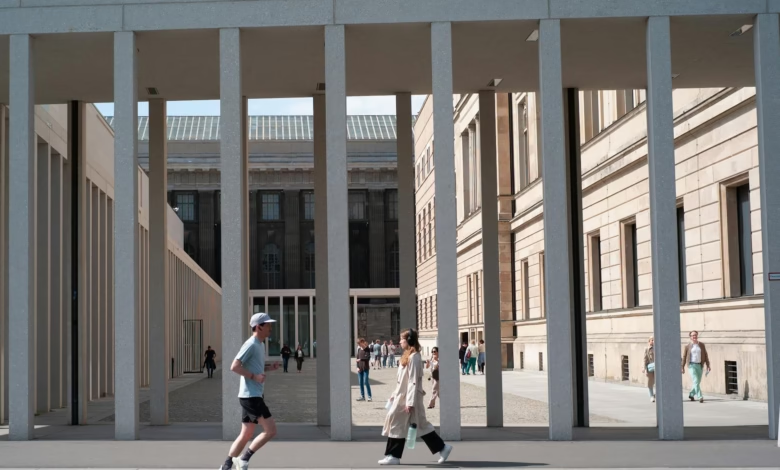
Berlin is a city where history and creativity meet on nearly every corner. From grand boulevards to striking glass facades, the city invites visitors to look up, slow down, and take in its design. One of the most compelling examples is the Berlin art museum exterior, where modern art is not limited to the gallery walls. The building itself becomes part of the experience, offering a bold statement about the city’s cultural identity.
For travelers interested in Germany cultural tourism, Berlin offers more than famous collections. It presents a living landscape of architecture, public space, and artistic expression. A museum exterior can tell a story before you even step inside. In Berlin, that story is often one of contrast: old and new, minimal and monumental, quiet and dramatic. For a broader look at the city’s creative identity, visit Voyzar.
Why the Museum Exterior Matters
In many cities, museums are designed primarily as containers for art. In Berlin, however, the exterior often plays a much larger role. It can shape first impressions, define a neighborhood, and even become a destination in itself. The modern gallery architecture found throughout the city reflects a broader appreciation for design as an art form.
A well-designed exterior does more than look impressive. It helps set the tone for the collection inside. Clean lines, open surfaces, and unexpected materials can suggest experimentation and innovation. In a city known for reinvention, this visual language feels especially fitting.
A City Landmark in Its Own Right
The city landmark status of many Berlin museums comes from their ability to stand out without overpowering the streets around them. They are often placed within dense urban areas, where their form must interact with surrounding buildings, parks, and walkways. That balance is part of what makes Berlin’s museum architecture so memorable.
Visitors are drawn not only to the exhibitions, but also to the atmosphere created by the exterior spaces. Wide plazas, reflective panels, and sculptural facades encourage people to gather, photograph, and pause. These moments turn a museum into something more than a cultural institution. It becomes part of the rhythm of the city.
Features That Define Berlin’s Modern Museum Design
Several design elements appear again and again in Berlin’s contemporary museum architecture:
- Large glass surfaces that create openness and light
- Simple geometric forms that emphasize clarity and precision
- Mixed materials such as stone, steel, and concrete
- Public spaces around the building that invite interaction
- Subtle branding that lets the architecture speak for itself
Together, these features create an environment that feels accessible yet sophisticated.
The Relationship Between Exterior and Art
Modern art often challenges viewers to think differently, and Berlin’s museum exteriors do the same. Before entering a gallery, visitors are already engaging with a creative vision. The architecture prepares them for the art inside by encouraging reflection, curiosity, and attention to detail.
This connection between building and collection is especially powerful in Berlin, where contemporary culture is deeply woven into daily life. The exterior may echo themes found in modern paintings, sculpture, or installation art. In this way, the building is not just a frame for art; it is part of the artistic conversation.
Walking Through Berlin’s Cultural Landscape
Exploring the Berlin art museum exterior is also a way to experience the city on foot. Many of Berlin’s cultural sites are linked by walkable streets, river paths, and open squares. This makes museum-hopping feel less like a checklist and more like a journey through a vibrant urban landscape.
For visitors, that means the architecture becomes part of the travel experience. You can move from one landmark to another and notice how each building expresses a different idea about art and public life. Some exteriors feel monumental, while others are understated and contemplative. Both approaches contribute to Berlin’s dynamic character.
Tips for Appreciating Museum Exteriors
To enjoy these spaces fully, consider the following:
- Visit at different times of day to see how light changes the building’s appearance.
- Step back for a wider view and notice how the museum fits into its surroundings.
- Look for reflections and shadows on glass and metal surfaces.
- Observe the public space around the entrance, including benches, steps, and plazas.
- Compare older and newer museums to see how Berlin’s architectural style has evolved.
These simple habits can make a museum visit more rewarding, even before entering the gallery.
Modern Art Beyond the Walls
Berlin’s artistic energy does not stop at the exhibition door. Street art, design, and architecture all contribute to the city’s creative identity. The museum exterior is one part of a larger network of visual culture that includes public installations, historic buildings, and experimental urban spaces.
This broader setting helps explain why Berlin remains such a powerful destination for modern art lovers. The city encourages visitors to see architecture as an extension of artistic thought. That idea is especially visible in its museum exteriors, where form, function, and symbolism come together.
For background on Berlin’s museum landscape, the official visitBerlin guide is a helpful resource for planning a cultural route through the city.
Conclusion
The Berlin art museum exterior offers a vivid introduction to the city’s relationship with modern art. It reflects the spirit of Germany cultural tourism, where visitors are invited to experience not only collections, but also the spaces that hold them. Through thoughtful modern gallery architecture, Berlin’s museums have become enduring city landmarks that shape how people see and move through the city.
For anyone interested in art, design, or urban exploration, Berlin rewards a closer look. Sometimes the most unforgettable part of a museum visit is the building itself.