Exploring Muscat’s Coastline, Forts and Heritage
Muscat is one of those rare cities where the landscape tells a story at every turn. Framed by the dramatic sea and mountains, the Omani capital blends natural beauty with centuries of history. From its rugged shoreline to its restored forts and elegant old buildings, Muscat offers a travel experience that feels both timeless and distinctly local.
What makes the city especially memorable is the way its past and present coexist. Modern roads and bustling districts sit alongside whitewashed houses, ancient watchtowers, and port views that have shaped life here for generations. For travelers interested in culture, architecture, and scenic views, the Muscat Oman coastline is the perfect place to begin. You can also learn more about the destination on the Voyzar homepage.
The Beauty of the Muscat Oman Coastline
Muscat’s coastline is one of its most defining features. Unlike many coastal cities that flatten into long stretches of development, Muscat’s shore is shaped by rocky coves, golden beaches, and dramatic cliffs that meet the Arabian Sea. The result is a landscape that feels wild, peaceful, and deeply connected to Oman’s identity.
Along the coast, you’ll find a rhythm that changes from one area to the next. Some parts are calm and quiet, ideal for watching the waves roll in. Others are lively and active, with fishing boats, harbor views, and corniche promenades where locals gather in the evening.
What to look for along the shore
– Small fishing villages that preserve traditional coastal life
– Scenic viewpoints where the sea and mountains meet
– Corniche walks with wide views of the harbor
– Beaches and rocky inlets that create striking photo opportunities
The coastline also reflects Oman’s long maritime history. Muscat once played a key role in trade across the Indian Ocean, and that legacy still shapes the city’s relationship with the sea. Even today, the coast feels like an anchor between past and present.
Heritage Forts That Guard the City
Muscat’s heritage forts are among the city’s most important landmarks. Built for defense and control of trade routes, these forts were once vital to protecting the capital from invasion. Today, they stand as proud symbols of resilience and authority.
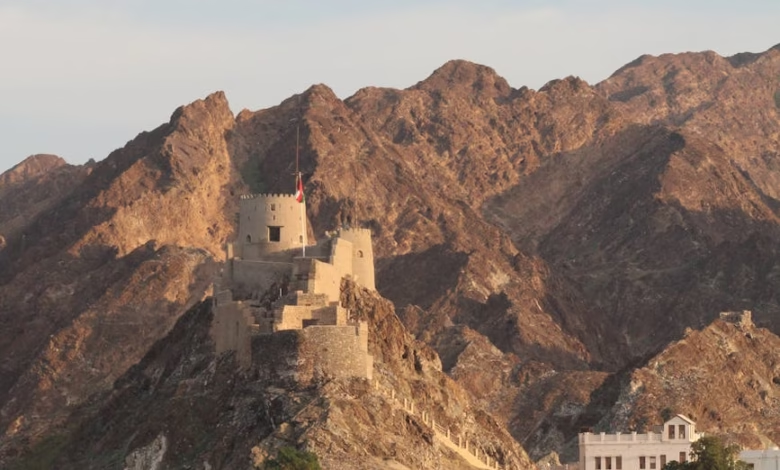
The most famous examples include Al Jalali Fort and Al Mirani Fort, both perched dramatically near the harbor. Their position alone tells you how strategically important Muscat once was. These forts overlook the entrance to the old port, creating a powerful image of the city’s military and maritime past.
For historical background on these landmarks and Oman’s broader heritage, the Britannica overview of Muscat, Oman provides a helpful reference.
Why the forts matter
The forts are not only beautiful historic structures. They also reveal how Omani rulers adapted architecture to the rugged terrain and coastal environment. Thick walls, strong towers, and elevated positions made them effective strongholds, while their design still feels integrated with the landscape.
Visitors are often struck by how naturally the forts fit into the city. They do not overwhelm the skyline. Instead, they seem to emerge from the rocky hillsides, blending stone, sea views, and history in one unforgettable scene.
Other historic sites worth noticing
– Watchtowers that once monitored the coast
– City walls and gate remnants in older districts
– Forts and defensive buildings near key trade routes
– Restored heritage areas that preserve local identity
Together, these structures help explain how Muscat evolved from a port city into a modern capital without losing its historical character.
Traditional Architecture in Muscat
One of the most distinctive aspects of Muscat is its traditional architecture. In contrast to many cities filled with glass towers and dense urban blocks, Muscat’s older buildings often feature low-rise structures, clean white facades, carved wooden doors, and decorative details that reflect Omani craftsmanship.
This architectural style is both elegant and practical. Thick walls help manage the heat, while small windows and shaded areas create comfort in a desert climate. The result is a built environment that responds intelligently to place and weather.
Common features of traditional Omani design
– White or pale-colored exterior walls
– Wooden balconies and doors with detailed carvings
– Arched openings and decorative lintels
– Low-rise buildings that complement the surrounding hills
– Courtyards and shaded spaces for privacy and cooling
In Muscat, traditional architecture often appears in old neighborhoods, restored public buildings, and heritage districts. These spaces invite visitors to slow down and notice the details: the texture of stone, the craftsmanship of woodwork, and the harmony between buildings and landscape.
Where the Sea and Mountains Shape the City
Few capitals are shaped so clearly by both sea and mountains. In Muscat, the coastline is backed by rocky hills that create a dramatic natural frame for the city. This geography has influenced everything from settlement patterns to architecture and transportation.
Rather than spreading endlessly outward, Muscat often feels tucked into the land. Neighborhoods follow the contours of valleys and shorelines, giving the city a layered and intimate feel. The mountains create a sense of shelter, while the sea opens the city to the wider world.
This contrast is one of Muscat’s greatest strengths. It gives the city a visual identity that is instantly recognizable and deeply tied to Oman’s geography.
A City Where Heritage Still Lives
What sets Muscat apart is not just the presence of historic landmarks, but the way they remain part of everyday life. The Muscat Oman coastline, the heritage forts, and the traditional architecture all contribute to a city that values continuity. Heritage here is not frozen in time; it is woven into streets, harbors, and homes.
For visitors, that means Muscat offers more than a checklist of attractions. It offers a chance to experience a city where the past still shapes the present. Whether you are standing beneath a fort, walking near the water, or admiring the details of an old Omani building, you can feel the balance between resilience and beauty.
Final Thoughts
Muscat is a destination that rewards observation. Its coastline invites reflection, its forts speak of strength, and its architecture reveals a culture of elegance and adaptation. Together, these elements create a city that feels calm, proud, and richly historical.
If you are drawn to places where natural scenery and cultural heritage exist side by side, Muscat stands out as a remarkable choice. With its blend of sea and mountains, historic defenses, and enduring design traditions, it remains one of the most distinctive capitals in the region.