Madrid Royal Palace Exterior: A Stunning Guide
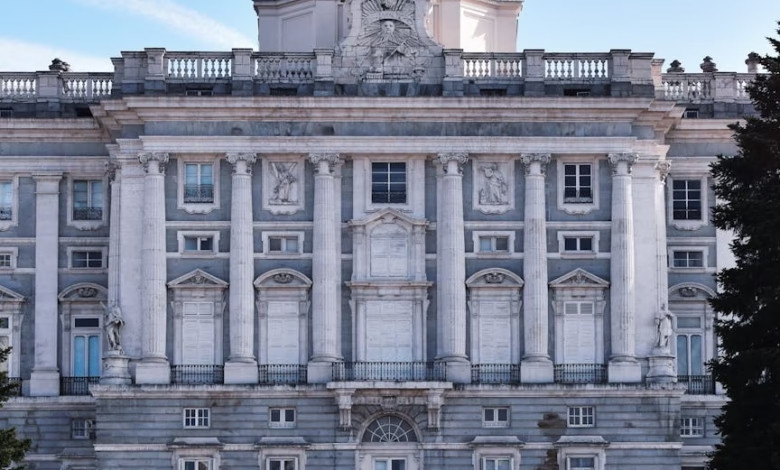
The Madrid royal palace exterior is one of the most striking examples of Spanish historic architecture in Europe. Grand, elegant, and deeply symbolic, the palace stands as both a royal residence and a powerful cultural landmark in the heart of Spain’s capital. Its stone façades, balanced proportions, and formal surroundings create an unforgettable first impression long before a visitor steps inside.
Set on a hill overlooking the western edge of central Madrid, the palace is surrounded by open squares, landscaped views, and carefully designed outdoor spaces. Together, the architecture and the gardens tell a story of monarchy, power, and artistic ambition. For more about the city and its heritage, visit Voyzar.
A Monument of Royal Grandeur
The exterior of the Royal Palace of Madrid immediately reveals its ceremonial purpose. Built in the 18th century after the original Alcázar burned down, the palace was designed to reflect the strength and prestige of the Spanish crown. Its massive scale and refined detailing make it one of the most important examples of Spanish historic architecture in the country.
Unlike some palaces that feel hidden behind walls, this one presents itself openly and majestically. The exterior is composed of:
– Symmetrical stone façades
– Tall classical columns
– Decorative balustrades
– Sculpted cornices and window frames
– A formal, geometric layout
These elements create a sense of order and harmony. The design blends Baroque influence with neoclassical restraint, producing a style that feels both elaborate and disciplined.
Stone, Symmetry, and Classical Influence
One of the most memorable aspects of the Madrid royal palace exterior is its use of stone. The pale façade gives the building a luminous quality, especially in the changing light of morning and late afternoon. The palace’s symmetry reinforces its grandeur, with every section carefully aligned to emphasize balance and power.
The architecture draws heavily from European classical traditions, but it also reflects Spanish identity. The palace’s monumental character is not just decorative—it communicates the history of a nation. Every column and arch contributes to the image of royal authority, making the building more than a residence. It becomes a statement of statecraft.
Visitors often notice how the exterior seems to change depending on the viewing angle. From a distance, the palace appears vast and imposing. Up close, smaller details emerge, such as carved stonework and ornamental touches that reward careful observation.
The Role of the Gardens and Surrounding Spaces
Although the palace itself dominates the skyline, the surrounding palace gardens and open areas are essential to the experience. They provide a graceful transition between the formal structure and the urban landscape of Madrid. These outdoor spaces soften the palace’s monumental presence and invite visitors to slow down, walk, and take in the view.
The nearby gardens and courtyards are designed with a sense of elegance rather than extravagance. Pathways, hedges, and planted areas help frame the palace while offering quiet contrast to the stone exterior. The balance between architecture and nature is one of the reasons the site feels so memorable.
The gardens also serve a visual purpose. They allow the palace to be seen from multiple perspectives, with changing angles that highlight its long façades and commanding position. In many ways, the landscape acts as a frame for the building itself.
A Cultural Landmark in the Heart of Madrid
As a cultural landmark, the Royal Palace is central to Madrid’s identity. Its exterior is not only admired for beauty but also for its historical importance. The palace has witnessed ceremonies, state events, and generations of Spanish history. Even though it is no longer the main royal residence in daily use, it continues to symbolize continuity and tradition.
Tourists, photographers, and architecture lovers are drawn to the site for different reasons:
1. Historical value — It represents a key era in Spain’s royal and architectural development.
2. Visual impact — The palace exterior is dramatic and highly photogenic.
3. Urban significance — It anchors one of Madrid’s most important civic spaces.
4. Cultural meaning — It reflects Spain’s enduring relationship with monarchy and heritage.
If you want deeper historical context, the official Royal Palace of Madrid page offers helpful background and visitor information.
This combination of beauty and significance makes the palace far more than a tourist stop. It is a living part of the city’s story.
Best Ways to Appreciate the Exterior
To fully appreciate the Madrid royal palace exterior, it helps to explore it slowly and from different viewpoints. Each angle reveals something new about the building’s scale and design. Early morning or late afternoon light can be especially rewarding, bringing out the texture of the stone and the depth of the façade.
A few tips for visitors include:
– View the palace from the main approach for its full ceremonial effect
– Spend time in the surrounding open spaces and gardens
– Look closely at decorative details near the windows and roofline
– Return at different times of day for changing light and atmosphere
The experience is not only about seeing a famous monument. It is also about understanding how architecture, landscaping, and history work together.
A Lasting Expression of Spanish Heritage
The Royal Palace of Madrid remains one of the finest examples of Spanish historic architecture and a defining cultural landmark in the city. Its exterior captures the grandeur of royal Spain, while the nearby palace gardens add softness and balance to its monumental form.
For anyone interested in architecture, history, or urban beauty, the palace offers more than a single view. It offers a layered experience of stone, space, and heritage. The Madrid royal palace exterior stands as a timeless reminder of how buildings can shape a city’s identity and preserve its past for future generations.